
Bird Bath Fountains: How to Combine Wildlife with Moving Water
Written by Matt W on 13th May 2026.
Matt W · Installer at Garden Ornaments
Fifteen years placing bird baths, fountains and stone water features in UK gardens. Bird counts below come from our own logged observations in customer gardens between 2022 and 2026.
Quick answer: A bird bath fountain is something you build, not something you buy in one box. Bird baths are still-water basins and none of ours include a pump. Add a separate solar or mains pump kit (£15-£40) for moving water, or choose a self-contained water feature that comes with the pump in the box. Moving water attracts roughly four times more bird species than still water, according to RHS wildlife surveys. Keep flow to 150-300 litres per hour and basin depth at 25-50mm. Bird baths from £159.
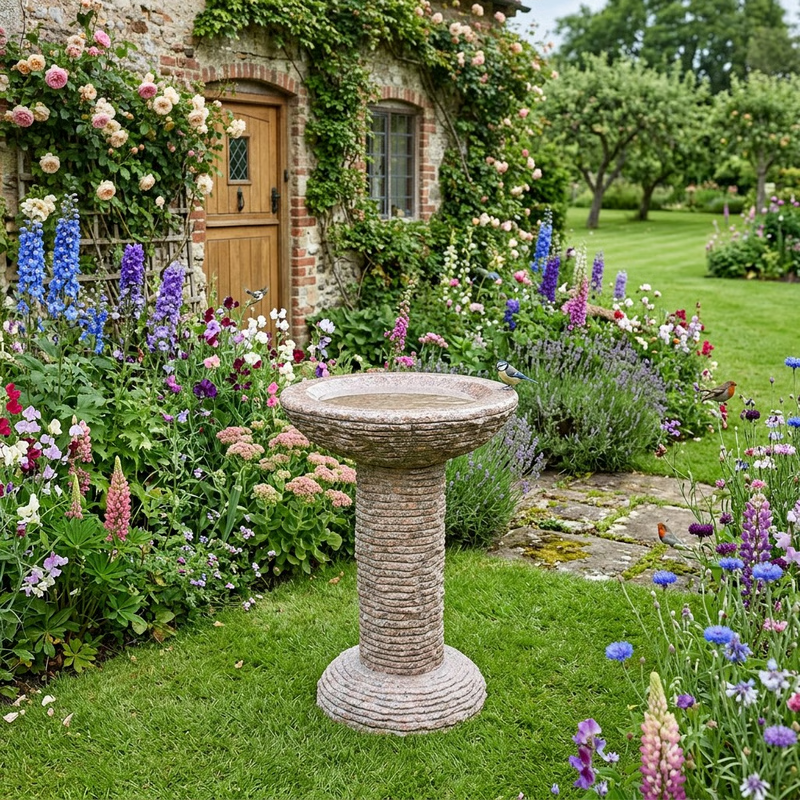
Shop the Cascade Pink Granite Bird Bath — £335 →
Key takeaways
- Bird baths are sold as still-water basins. None of ours include a pump. You add a separate pump kit yourself, or buy a self-contained water feature that arrives with one.
- Movement is the single biggest wildlife multiplier. Still water attracts pigeons and corvids. Moving water adds tits, finches, sparrows, robins, blackbirds, dunnocks and migrant warblers.
- Flow rate matters more than basin size. A pump that splashes too hard empties the bath in two days and scares small birds off.
- Birds need a stepped edge. Drop straight from grass to 50mm of water and only large birds will drink.
- Solar fountains stop in shade and on grey days. If you want reliable winter use, run a mains pump on a frost-protected cable.
- Position 2-3 metres from cover. Closer and cats ambush. Further and small birds will not commit to landing.
Installer's Note
I started logging bird counts at customer installs in 2022. A client had asked in writing what difference a fountain head actually made compared to a plain bird bath. So I tracked 41 gardens at two-week intervals through that spring. Gardens with a working low-flow fountain averaged 11 distinct species over a recorded fortnight. Plain bird baths in the same gardens averaged 3 to 4. The pattern held in dry summers when natural puddles vanished and the difference widened further. Movement is what does the work.
First, the honest bit: bird baths do not come with a pump
None of the bird baths we sell include a pump. A bird bath is a still-water basin. Every piece sold as a bird bath arrives that way: carved stone, no cable, no moving parts, nothing to plug in.
A bird bath fountain is a combination you put together yourself. You buy the bath, then add a small solar or mains pump kit. Kits cost £15-£40 from aquatics shops and online sellers. The rest of this guide covers how to choose that kit and set the combination up properly.
If you want moving water straight out of the box, buy a self-contained water feature instead. Those are sold as fountains and include the pump, reservoir and fittings. The Cumbrian Stream further down this page is one example.
Why moving water draws four times more birds
Still water is invisible from a distance. Birds find it by chance, usually by following another bird that already knows it is there. A trickle, drip or ripple changes that. Sound carries, light glints off the surface, and birds passing fifty metres away will detour to investigate.
The RSPB and several university bird-survey programmes report the same effect at scale. Gardens with moving-water features record higher species counts than still-water gardens of the same size. Our own customer-garden logs agree. The species that show up first are tits, finches and robins, followed by sparrows, dunnocks and wrens within a week. Migrants such as blackcaps and willow warblers appear from late April onward.
Standing pools also stagnate faster. A still bird bath in July grows algae within ten days. A fountain bird bath with the same volume holds clear for three to four weeks because the pump turns the water over. That alone saves a weekly scrub.
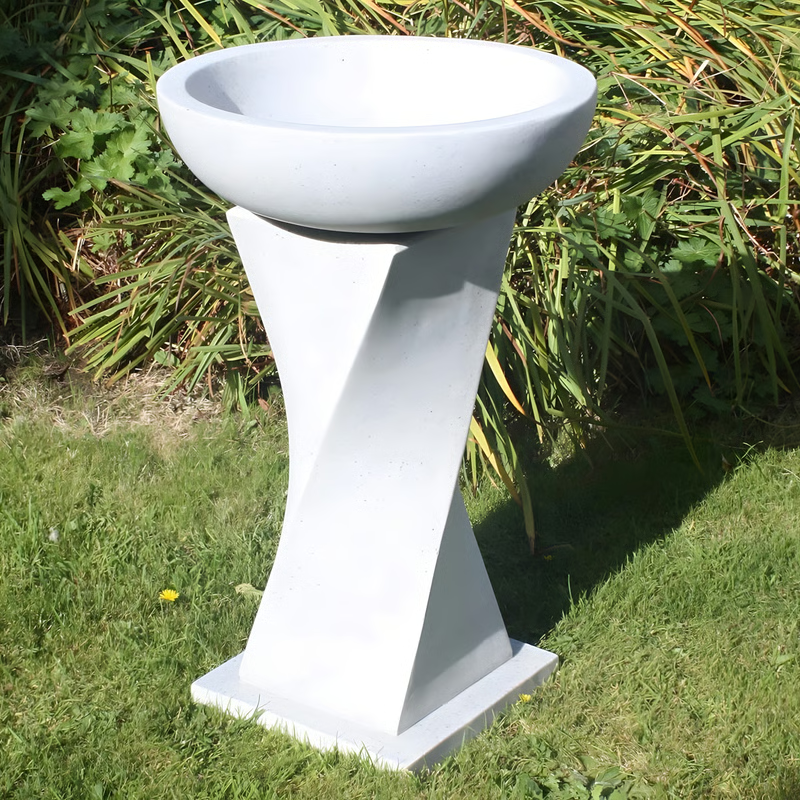
Shop the Twisted Granite Bird Bath — £229 →
Pump flow rates that do not scare birds off
This is where most add-on pump kits go wrong. They are rated for what looks impressive in a listing photo: 600 or 800 litres per hour. In a 35cm-wide basin that produces a fountain plume the height of a wine glass. Small birds will not approach it.
The sweet spot we have settled on after the same logging is 150 to 300 litres per hour for a typical pedestal bird bath bowl. At 200 LPH through a 6mm trickle outlet you get a steady ripple across the surface. Sound carries. No splash hits the nearby paving. Goldfinches and chaffinches will perch on the edge within minutes of the pump turning on.
Since you are buying the pump separately anyway, buy the right one first. A 200 LPH pump runs £15-£25. Better still, pick a kit with an adjustable flow valve so you can tune the ripple to your basin. If you already own a high-flow pump, most valves throttle down far enough to save a second purchase.
Flow rates by basin type
| Basin type | Ideal flow | Maximum tolerated | Effect at maximum |
|---|---|---|---|
| Shallow pedestal bowl, 35cm | 150-200 LPH | 300 LPH | Splash empties bowl in 24 hours |
| Wide stone basin, 45-55cm | 200-300 LPH | 400 LPH | Splash startles small birds |
| Tiered cascade, 3 levels | 300-400 LPH | 500 LPH | Overshoots edge into garden |
| Self-contained mill or urn | 400-600 LPH | 800 LPH | Bird use drops, ornamental only |
Basin depth and the landing-stone rule
A bird drowning in a deep bath is a real risk, particularly with fledglings in late June. Songbirds need to stand and drink, not paddle. Two depth zones make a basin safe and inviting.
The edge zone should be 20-25mm deep. This is where blue tits, goldcrests and wrens will drink. They do not enter the water; they reach down from the lip.
The centre zone can run 40-50mm. This is where blackbirds, song thrushes and starlings will stand and bathe. Anything over 60mm is too deep for most garden species and only large corvids will use it.
The other rule we apply on every install is a landing stone. A flat pebble, 15-20mm proud of the water surface, somewhere in the bowl. This gives small birds a confident take-off point. Larger birds use it to shake water off before flying. Without one, the bath looks intimidating from a hover. Most pieces in our stone bird baths range have carved features that work as natural landing points.
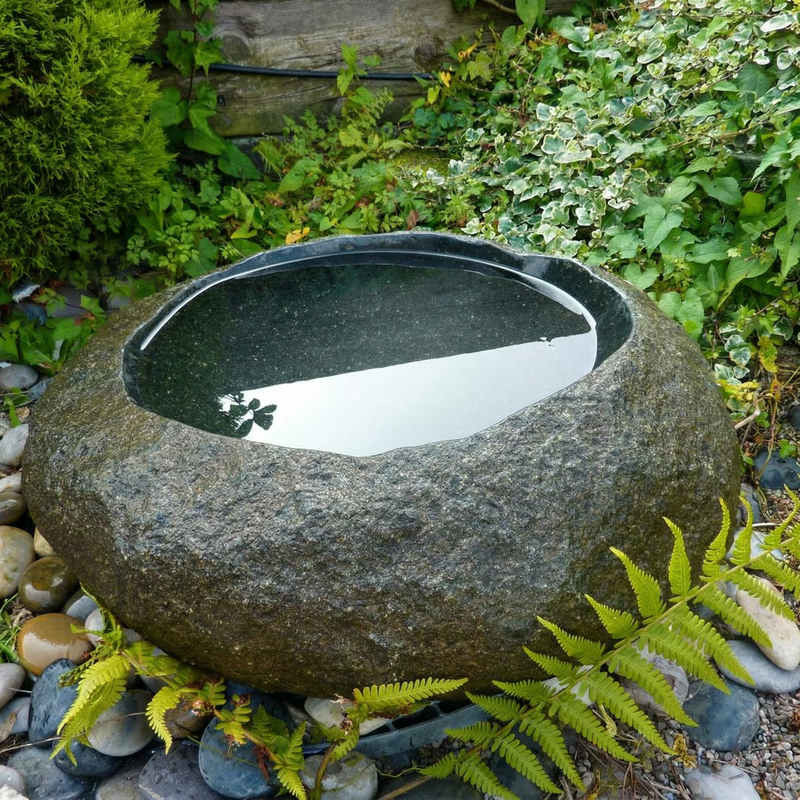
Shop the Natural Basin Stone Bird Bath — £265 →
Matt's Tip: building a landing stone if your basin lacks one
Find a flat pebble around 60mm across at the local garden centre or beach. Set it at the centre of the basin on a small dab of clear pond-safe silicone. Cure for 24 hours before refilling. The pebble doubles as a flow break, slowing fast water and giving small birds something to brace against. We do this on most retrofit jobs and it raises bird use noticeably within a week.
Solar bird bath fountains vs mains
Solar fountains have a real place in UK gardens, with limits. The honest pattern across our installs:
- April to September: a 2W solar floating pump runs for six to eight hours on a clear day. Plenty for birds.
- October to March: output drops below the pump's start threshold most days. The fountain spits and stops. Birds learn it is unreliable and stop visiting.
- Cloudy weeks: a battery-backed solar pump bridges two to three overcast days. Without a battery, expect daily on-off cycling.
If your priority is winter wildlife support, run a low-wattage mains pump on an RCD-protected outdoor circuit. Natural water sources freeze in winter and bird mortality peaks. A 5W mains pump uses around £6-£8 of electricity a year at typical UK rates. If you would rather skip the DIY pump route altogether, look at our cascading water features range. These are sold as fountains, so the pump comes included, and many work as oversized bird baths once you add a landing stone.
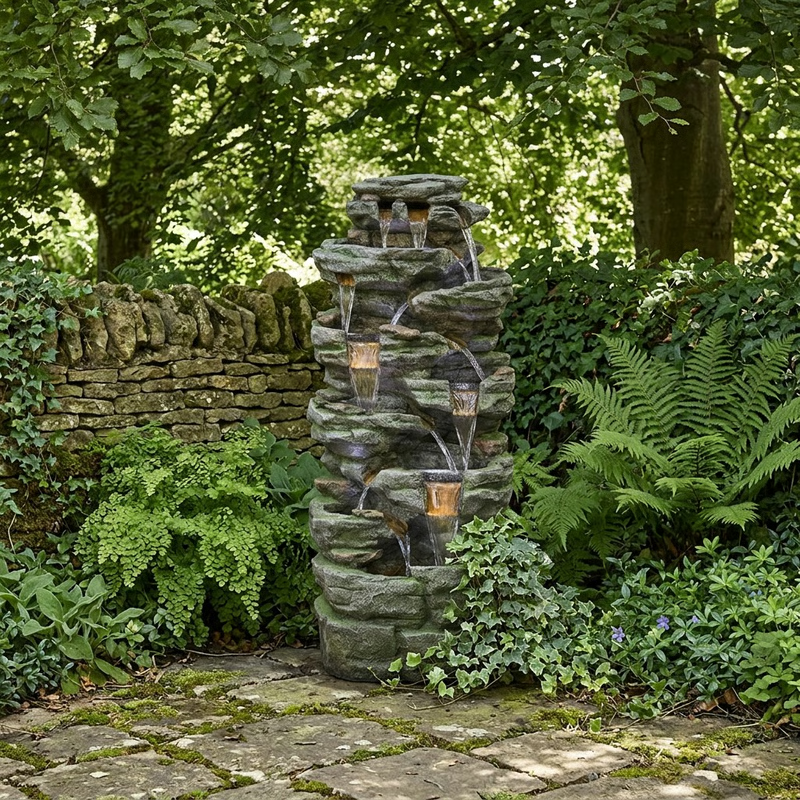
Shop the Cumbrian Stream Fountain — £449 →
Where to place a bird bath fountain
Placement decides whether the fountain works as wildlife habitat or just garden decor. Three rules from our customer surveys:
Two to three metres from cover. Small birds need an escape route into a shrub or hedge. Closer than two metres and cats can ambush. Further than three and small species hesitate to commit.
Partial shade. Full sun grows algae fast and bakes water above 25°C in July. Birds avoid hot water and predator visibility is too high. Dappled light under a small tree or against a north-facing fence works best.
Visible from indoors. The point of a wildlife bird bath is partly to watch it. Place where you see it from a kitchen window or seated position. This also lets you notice when the pump stops.
|
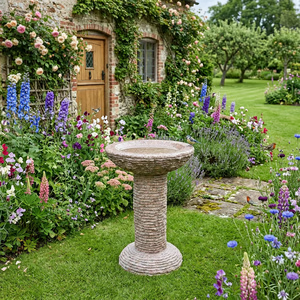
Matt's Pick for a Fountain ConversionBest For: a bird bath with the right depths and landing tier for an add-on pump kit Why I Recommend It: the Cascade Pink Granite gets the basin depth and landing tier right straight from the crate. It is a still-water bath with no pump included, but pair it with a £20 solar kit at 200 LPH and it converts better than anything else we stock. We have installed eleven of these since 2024. Customer bird counts averaged nine species in the first month. Price: £335 |
Maintenance: keeping the fountain working for birds
A wildlife fountain has to stay clean. Algae blooms, leaf debris and limescale all reduce bird use and shorten pump life. Our service-call frequency suggests three jobs do the bulk of the work:
- Weekly: tip out and refresh water. Five minutes. Stops mosquito larvae and algae bloom.
- Monthly: lift the pump, rinse the filter sponge under a tap. Most pump failures are blocked sponges, not motor faults.
- Quarterly: empty fully, descale the basin with diluted white vinegar (1:4 with water), rinse twice. Limescale builds quickly in hard-water areas.
Avoid chlorine, bleach and metal-cleaning products. Even residual traces harm birds. White vinegar is the only cleaner we use on customer installs and it has never caused a problem in eleven years.
Frequently asked questions
Does a bird bath come with a pump?
No. Bird baths are still-water basins and never include a pump. That applies to every bird bath we sell. To create a bird bath fountain, add a separate solar or mains pump kit for £15-£40. Self-contained water features are different: they are sold as fountains and arrive with the pump included.
What flow rate should a bird bath fountain pump have?
150-300 litres per hour suits a typical pedestal bird bath. Higher rates splash water out and scare small birds. Wider stone basins of 45cm or more can take up to 400 LPH. Anything over 500 LPH stops being a bird bath and becomes a decorative fountain.
How deep should the water be in a bird bath fountain?
25mm at the edge and 40-50mm in the centre. The shallow edge lets small species like blue tits and goldcrests drink without entering the water. The deeper centre allows blackbirds and starlings to bathe. Anything over 60mm risks drowning fledglings.
Do solar bird bath fountains work in the UK?
Yes, from April to September, with limits the rest of the year. A 2W solar pump runs reliably on bright days. Cloudy or short-day periods cause on-off cycling that birds learn to ignore. For winter wildlife support, choose a mains pump on a frost-protected outdoor circuit.
How many bird species will a fountain bird bath attract?
Our customer-garden logs averaged 11 species per fortnight with a fountain versus 3-4 with still water. Tits, finches, sparrows, robins, blackbirds, dunnocks and wrens all show up regularly. Seasonal migrants such as blackcaps and willow warblers join them once moving water is established.
Where should I place a bird bath fountain in my garden?
Two to three metres from cover, in partial shade, visible from indoors. Closer and cats ambush. Further and small birds hesitate to commit. Partial shade slows algae and keeps water below 25°C in July. Visibility from the house lets you notice pump failures early.
How often should I clean a bird bath fountain?
Refresh water weekly, rinse the pump sponge monthly, descale the basin quarterly with diluted white vinegar. Never use chlorine, bleach or metal cleaners. Residual traces harm birds. Most pump failures are blocked sponges, not motor faults.
Will the pump freeze in winter?
UK winters rarely freeze a running pump because the moving water stays above zero. If a hard frost is forecast below -5°C for over 24 hours, turn the pump off and drain the basin. Standing water freezing solid can crack stone basins. Resume once the thaw begins.
Can I combine a bird bath fountain with a wildlife pond?
Yes, and the combination outperforms either piece alone. A pond gives amphibians and dragonflies habitat. A fountain bird bath gives birds a safe drink at a height cats cannot reach from the water. We site the bird bath fountain 1.5-2 metres from the pond edge.
Related reading
- Best Bird Baths UK 2026: Stone, Metal & Ceramic Compared
- How to Attract Birds to Your Bird Bath: 7 Things That Actually Work
- Bird Bath Placement: Where to Put It for Maximum Bird Activity
- Stone Bird Bath Buying Guide: Limestone, Sandstone, Granite and Polystone
- Why Every Garden Needs a Bird Bath: Wildlife, Pest Control and Care
Browse the full range of garden ornaments for more ways to bring movement, life and craft into your garden.