
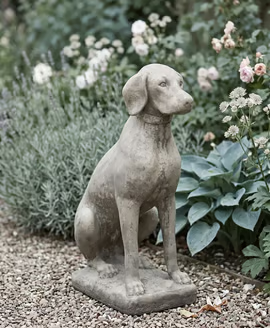
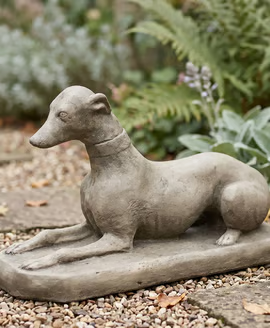
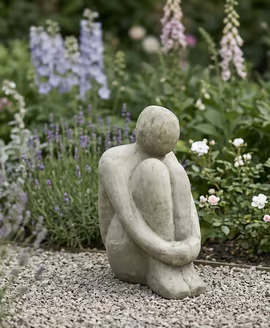
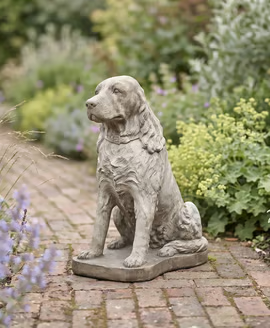
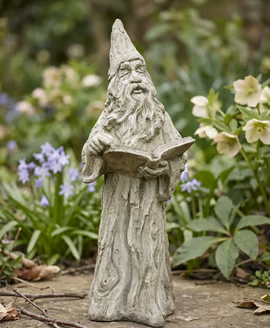
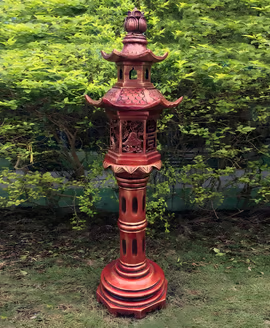


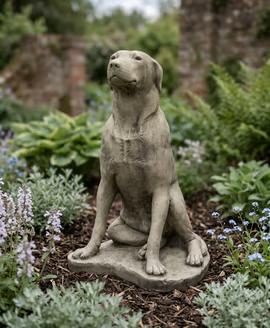
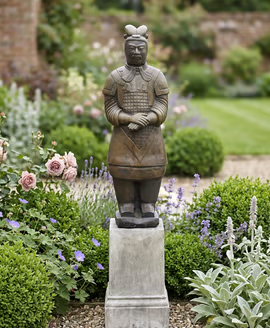
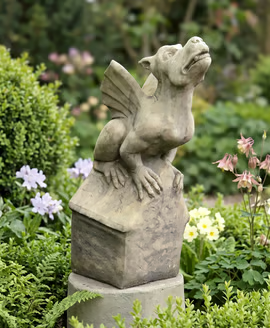
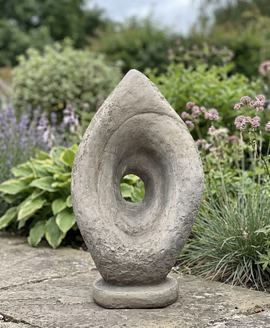
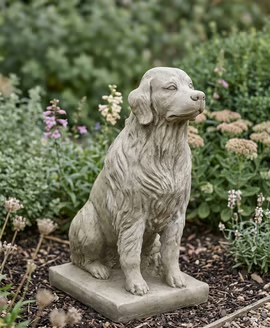


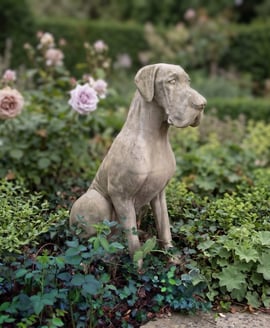





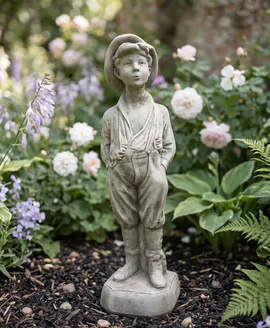
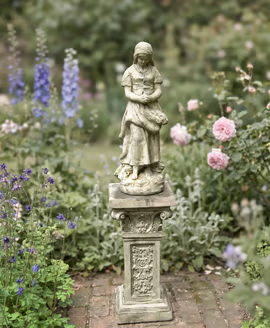
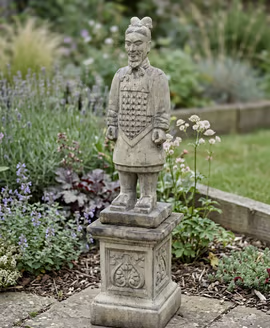

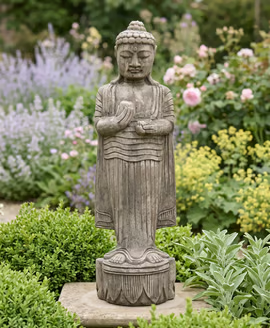
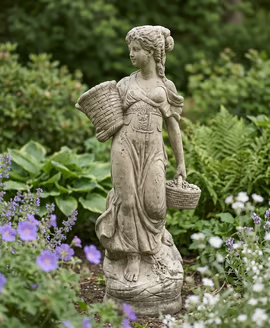
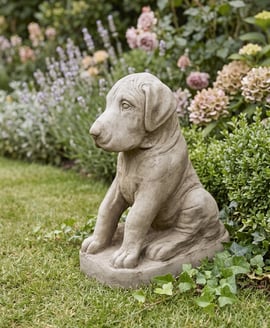

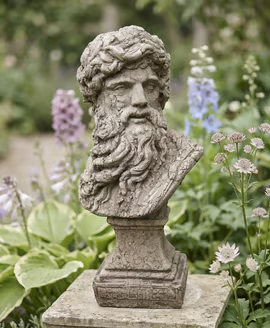
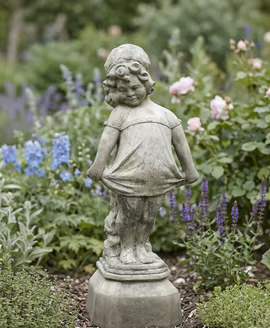
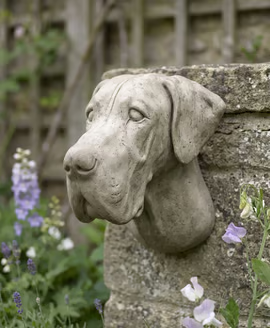

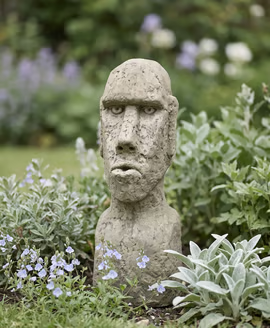


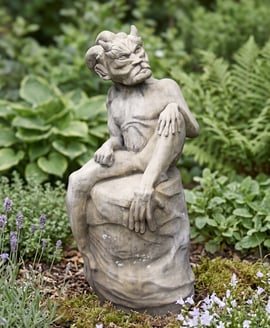
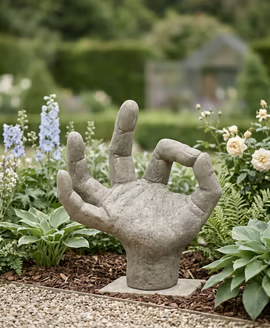
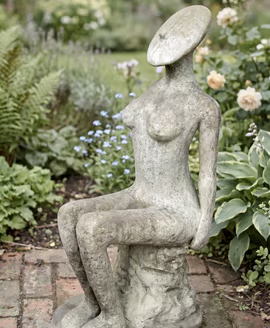
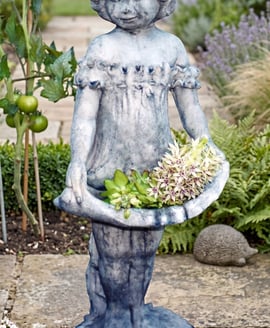
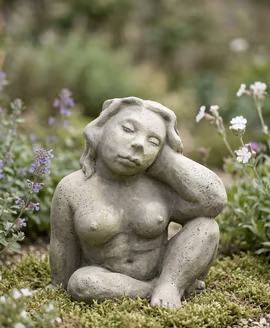
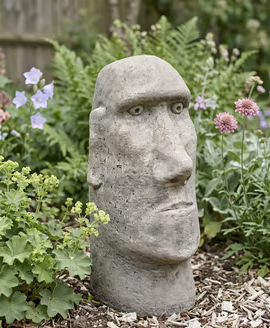
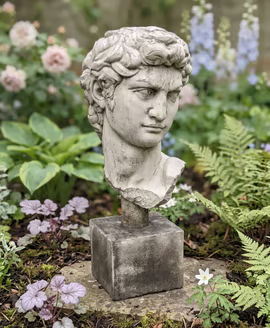
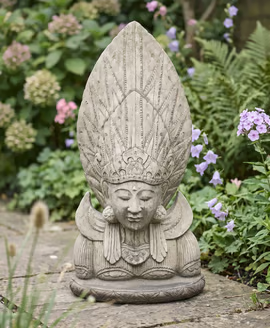
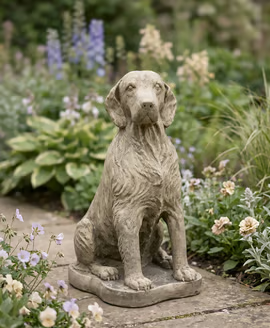





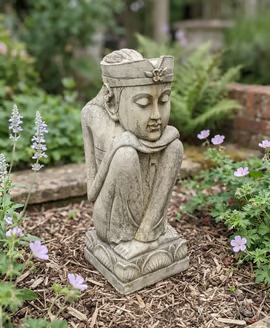
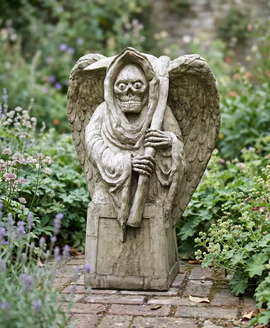
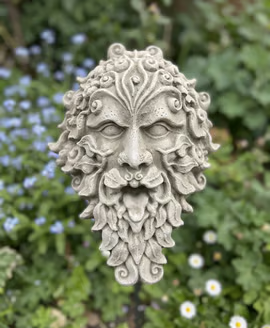
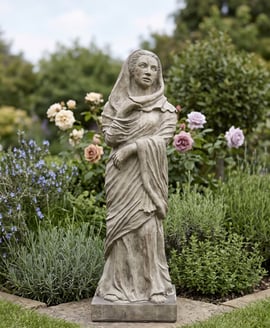



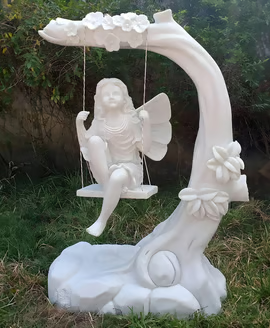
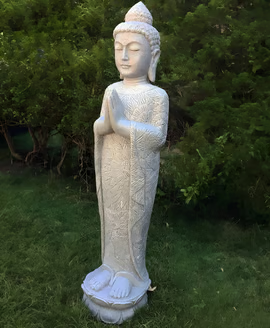
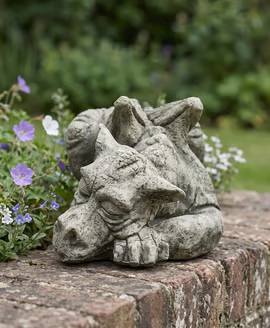
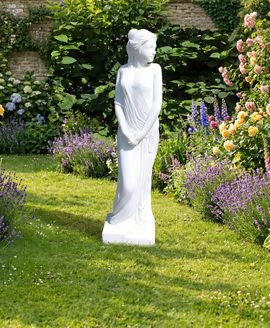
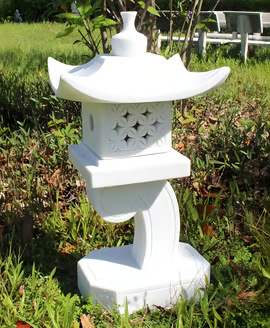
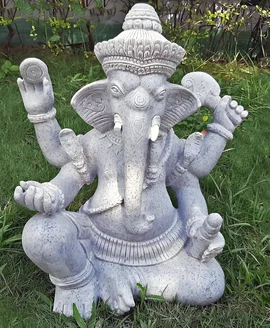
Choosing garden statues in stone
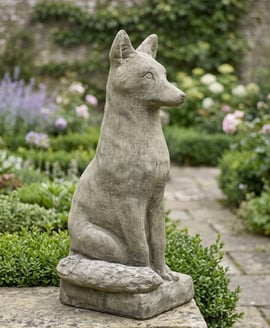
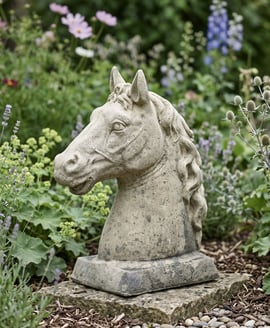
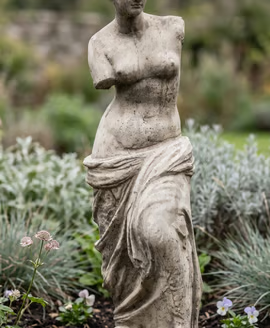
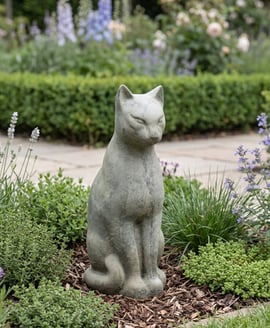
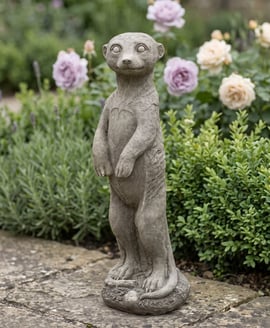
A garden statue needs enough space to be seen, as well as a base that supports it. Start with the view from a window, seat or path. A small animal can sit near the viewer; a distant figure needs a clear outline against its background.
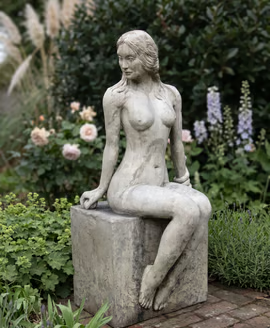
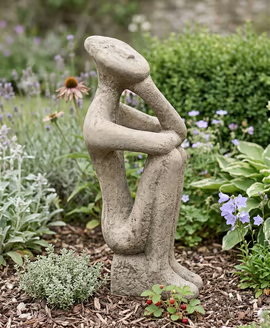
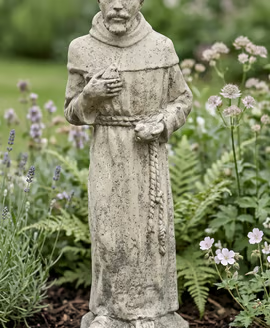
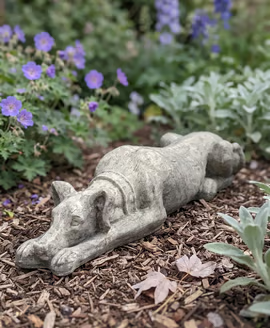
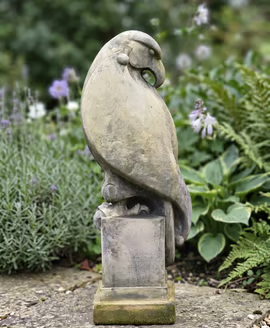
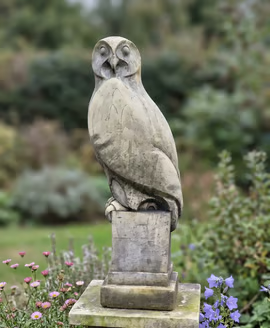
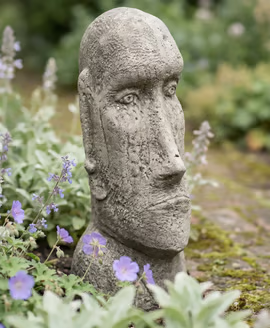
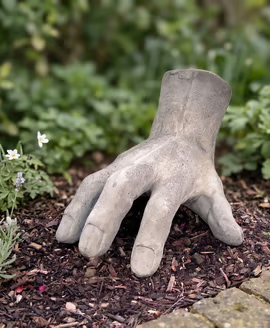
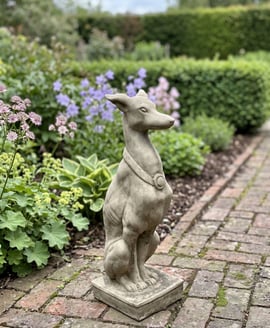
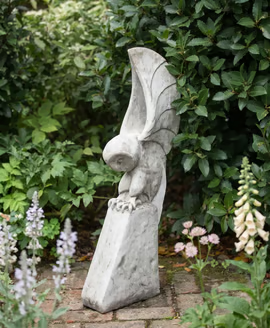
This collection brings together stone figures, animals and abstract sculpture. For a particular subject, compare classical garden statues, stone animal ornaments and Buddha statues. For a different material, browse metal garden ornaments. The product's specification explains its construction and available finish.
Compare statue sizes and weights
These three products show why height and weight need checking separately. Prices update from the product listings.
| Garden statue | Height | Width and depth | Listed weight | Price |
|---|---|---|---|---|
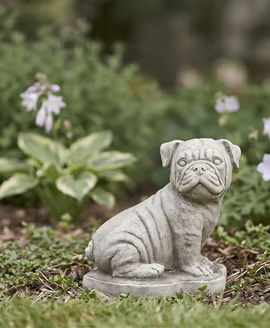
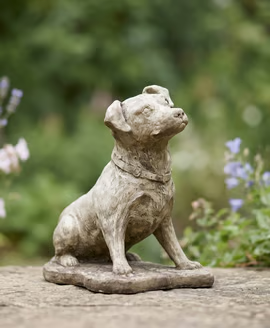
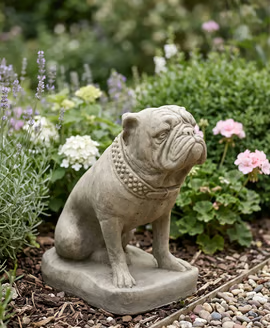
| Small Pug | 29cm | 22cm wide; 28cm deep | 12kg | £84 |
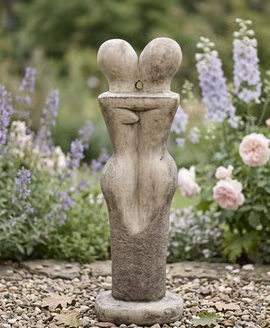
| Lovers statue | 82cm | 18cm wide; 26cm deep | 28kg | £209 |
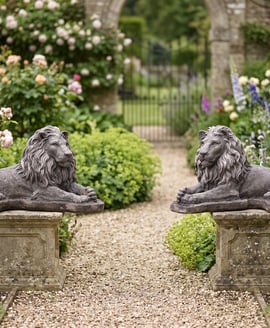
| Chatsworth lion pair | 36cm each | 41cm wide; 67cm deep each | 112kg combined | £276 per pair |
These products exclude a separate plinth. Include any plinth in your overall height, space and weight calculations.
A pair for an entrance
The Chatsworth lions suit an entrance where you want matching figures on both sides. Each needs room for its 41cm by 67cm footprint. Their low height does not make them light: plan the move for a 112kg pair.
Shape, subject and viewing distance
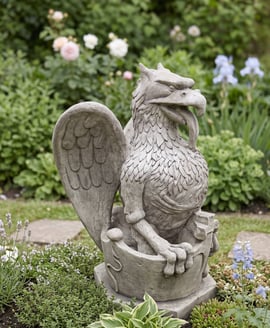
Mark out the proposed footprint before ordering. Check that gates and doors still open, and leave room to walk past without catching projecting arms or wings. View the position from indoors as well as from the garden.
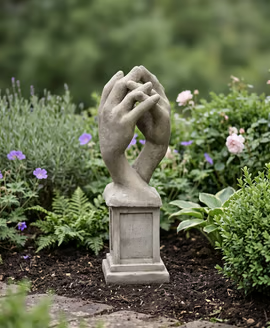
A narrow abstract figure occupies less ground than a reclining animal of similar height. For larger spaces, browse large garden ornaments. For modern forms, compare modern garden sculptures. Our garden statue buying guide introduces the main styles.
Plan a supporting base and delivery route
Check the narrowest gateway and any steps or tight turns along the delivery route. Confirm the delivery service on the product page. Arrange suitable help or handling equipment for the move from the delivery point.
The supporting surface must be firm, level and suitable for the combined load. Follow the manufacturer's fixing instructions. Weight alone does not prevent a tall statue from tipping, and adhesive is not suitable for every material or joint.
If using a stone plinth, compare its top dimensions with the statue's base. Ask about compatibility if either measurement is missing. Our base preparation guide covers the checks to make before delivery.
Stone finishes and care
Cast stone is moulded from an aggregate mixture; natural stone is cut from quarried material. Their finishes and care requirements differ. Do not assume every garden statue has the same frost rating or cleaning instructions.
Brush away loose debris gently and follow the maker's care advice. Weathering depends on material, shade and moisture, so there is no fixed timetable for an aged finish. Check any cleaner on an inconspicuous area first.
Frequently asked questions
How do I choose the right size garden statue?
Compare its full dimensions with the space and viewing distance. Mark the footprint and include any plinth in the overall height.
Does a stone statue include its plinth?
Check the individual listing; a separate plinth may be excluded. The three products compared above do not include a separate plinth.
How much do the Chatsworth lion statues weigh?
The pair has a listed combined weight of 112kg. Each lion measures 36cm high, 41cm wide and 67cm deep.
Will a heavy garden statue need fixing?
Follow the product's fixing instructions and assess the supporting surface. Shape, exposure and accidental knocks matter as well as weight.
Are all garden statues made from the same stone?
No, materials and manufacturing methods vary between products. Read the specification rather than judging the material from its colour.
Can stone statues stay outside in winter?
Follow the winter-care guidance for the particular material and finish. Keep the base stable and avoid areas where water collects.