
How to Light a Fire Pit (and Keep It Going) Without the Smoke
Written by Matt W on 24th Jun 2026.
To light a fire pit, build it in three layers and light the top. Start with dry tinder, add a tower of thin kindling, then seasoned hardwood once the flames take hold. Burn wood under 20% moisture for almost no smoke. Feed one or two logs every 20 to 30 minutes. Dry fuel and steady airflow keep a clean fire all evening.
By Matt W | Garden Ornaments Specialist
Key takeaways
- Lay a fire pit in three layers: a fist-sized bundle of tinder, a tower of pencil-thin kindling, then split hardwood
- Light it top-down for a cleaner burn. The flame works downward and burns off smoke as it goes
- Only burn seasoned hardwood under 20% moisture. Wet or green wood is the single biggest cause of smoke
- Feed the fire little and often, one or two logs every 20 to 30 minutes, never a heaped pile that smothers it
- Leave a gap under the grate or use a bowl with airflow holes so the fire can breathe
- A deep steel bowl from £75 lights in minutes; a gas fire pit gives flame with no smoke at all
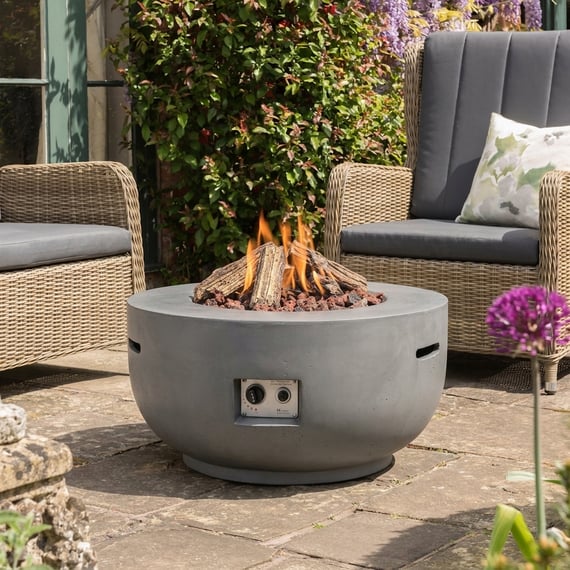
Shop the Happy Cocoon 91cm Fire Bowl →
Matt's note
Most failed fires come down to two things: wet wood and a smothered base. People stack a big log on first and wonder why it smoulders. A fire needs to climb from something small and dry, with air underneath. Get the tinder and kindling right and the rest looks after itself. I would rather have a small fire that draws well than a heaped pile that chokes and smokes the whole garden.
How do you light a fire pit step by step?
Light a fire pit in three layers, smallest first. Put a loose handful of dry tinder in the centre: scrunched paper, natural firelighters or fine wood shavings. Build a small tower or tepee of thin kindling around it, no thicker than a pencil. Leave gaps so air can move through. Light the tinder in two or three spots and let the kindling catch before you add anything bigger.
Once the kindling burns steadily, add two or three pieces of split hardwood, leaning them together rather than laying them flat. Flat logs starve the fire of air. As those catch, you have a working fire. The whole process takes about ten minutes in a dry bowl. A deep bowl like a Kadai pulls air in well, so even a modest pile of kindling gets going quickly. For the full picture on running costs and rules, our guide to smoke control area rules is worth a read first.
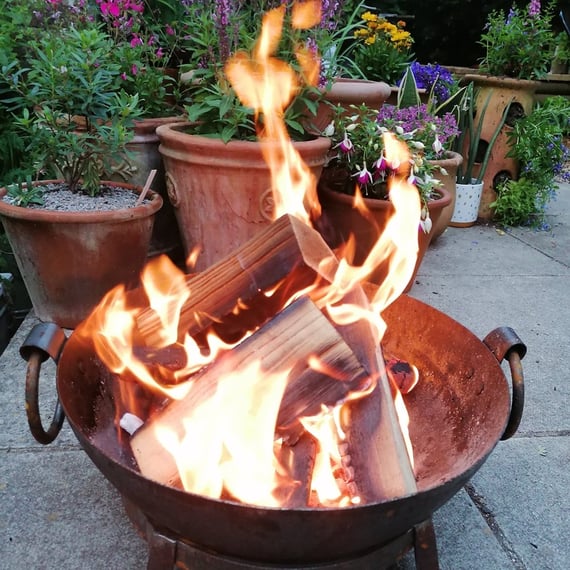
Shop the 40cm Kadai Fire Pit Bowl →
What is the best wood for a fire pit?
The best wood for a fire pit is seasoned hardwood with a moisture content under 20%. Ash, oak, beech and birch all burn hot, slow and clean once dry. Ash is the classic first choice because it lights readily and gives off little smoke. Birch catches fast and smells sweet. Oak burns longest but needs the most drying time, often two years.
Avoid softwoods like pine and spruce for the main burn. They spit, throw sparks and leave sooty resin. Never burn painted, treated or reclaimed timber, which releases harmful fumes. Buy kiln-dried logs or "Ready to Burn" certified wood if you cannot season your own. A cheap moisture meter, about £15, settles any doubt: anything reading above 20% will smoke. Cast iron bowls hold and radiate this heat well, as our guide to how cast iron holds heat longer explains.
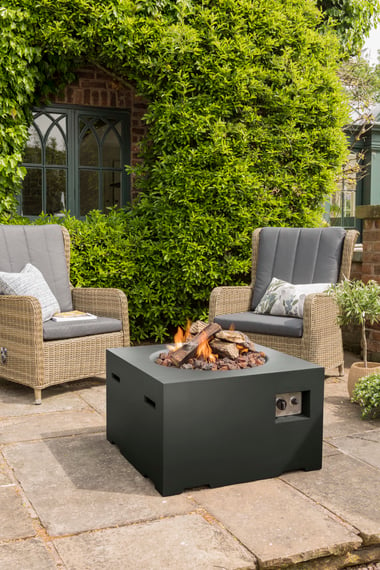
Shop the Happy Cocoon 76cm Square Fire Pit →
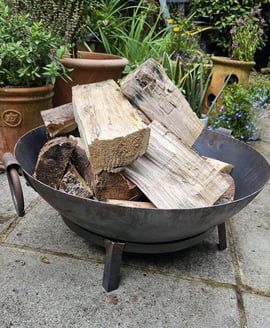
Matt's pick for lighting and cooking
Best for: One bowl that lights fast, cooks dinner, then warms the evening
Why I recommend it: The 60cm Kadai is the one I point most people to. The deep bowl draws air so it lights in minutes. The grill turns it into a barbecue, and the stand keeps heat off your patio. It does three jobs from one fire.
Price: £110
How do you keep a fire pit going without smoke?
Keep a fire pit going by feeding it little and often and keeping the air moving. Add one or two logs every 20 to 30 minutes, not a heaped load at once. A big pile drops the temperature, smothers the flame and makes smoke. Push the embers together with a poker to keep a hot core. Rest each fresh log against that core so it catches quickly.
Smoke is unburnt fuel. It appears when wood is wet, when the fire runs cool, or when air cannot reach the flames. Keep all three in check and the smoke nearly vanishes. Light the fire top-down, with the big wood at the bottom and kindling on top. The flame then burns the rising smoke as it works down. Browse our full range of garden fire pits to find a bowl with the depth and airflow that makes this easy.
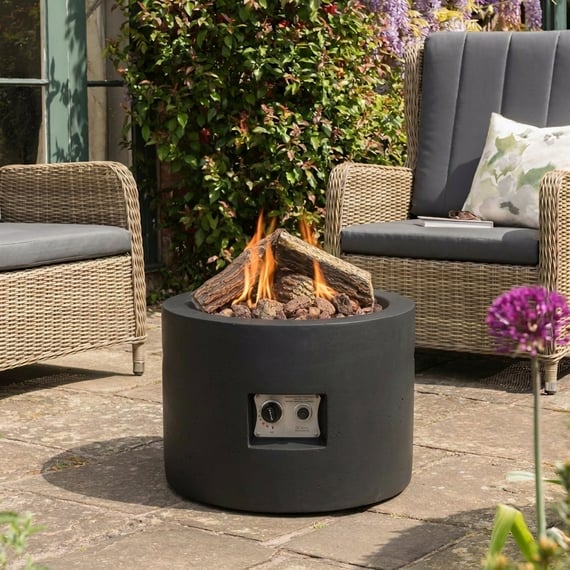
Shop the Happy Cocoon 61cm Round Fire Pit →
Safety first
Never use petrol, paraffin or lighter fluid to start or revive a fire pit. The vapour can flash back and burn you badly. Use natural firelighters instead. Site the bowl on stone, gravel or a fire-pit mat, well clear of fences, sheds and overhanging branches. Keep a bucket of water or sand within reach. Let ash cool fully for 24 hours before you empty it, as embers can stay hot far longer than they look.
Why is my fire pit so smoky?
A smoky fire pit almost always means wet wood. Logs above 20% moisture spend their energy boiling off water instead of burning, so they smoulder and smoke. Green wood cut this year, logs left out in the rain, or bargain nets of unseasoned timber are the usual culprits. Switch to kiln-dried or properly seasoned hardwood and most of the smoke disappears.
The other causes are airflow and load. A fire packed too tightly cannot breathe, so it chokes. A fire piled too high cools its own core. Build loosely, leave gaps, and add wood gradually. If your bowl sits flat on the ground with no holes, embers smother in their own ash. A raised bowl or one with vents keeps a draught running underneath.
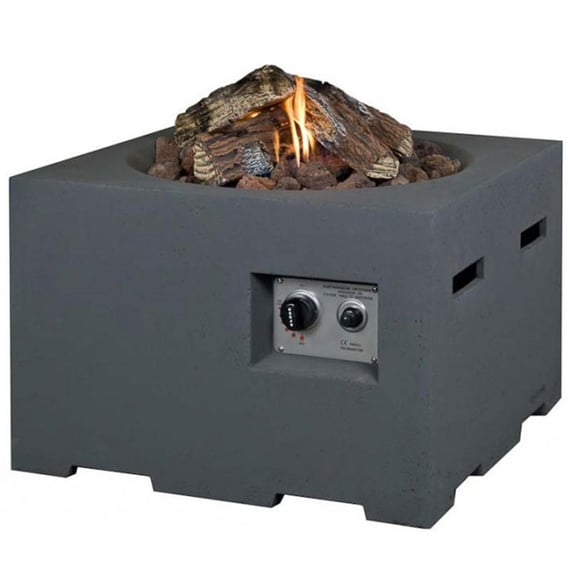
Shop the Happy Cocoon 60cm Small Square Fire Pit →
| Fire pit | Fuel | Size | Lights in | Smoke | Price |
|---|---|---|---|---|---|
| 40cm Kadai Bowl Set | Wood or charcoal | 40cm | About 8 min | Low, deep bowl | £75 |
| 60cm Kadai Bowl Set | Wood or charcoal | 60cm | About 10 min | Low, cooks too | £110 |
| Happy Cocoon 60cm Square | Wood | 60cm | About 10 min | Low | £285 |
| Happy Cocoon 61cm Round | Wood | 61cm | About 10 min | Low, even draught | £305 |
| Happy Cocoon 91cm Bowl | Wood | 91cm | About 12 min | Low | £549 |
| Happy Cocooning 60cm Gas | Gas | 60cm | Instant | None | £579 |
Which fire pit is easiest to light?
The easiest fire pit to light is a gas one, because there is no fire to build. You turn a control, press an igniter and a clean flame appears with no smoke, no kindling and no ash. A gas fire pit suits anyone in a smoke control area or anyone who wants flame at the turn of a dial. The trade-off is no crackle, no cooking and a running cost from the gas bottle.
Among wood burners, a deep bowl is far easier than a flat tray. Height pulls air upward through the fuel, so the fire draws itself. Kadai bowls and the rounded Happy Cocoon bowls both light quickly for this reason. A shallow dish sitting on the ground fights you, because the embers smother. If you want the least fuss with real flame, choose depth. Our wider guide to choosing between steel, cast iron and Corten covers which body suits your patio.
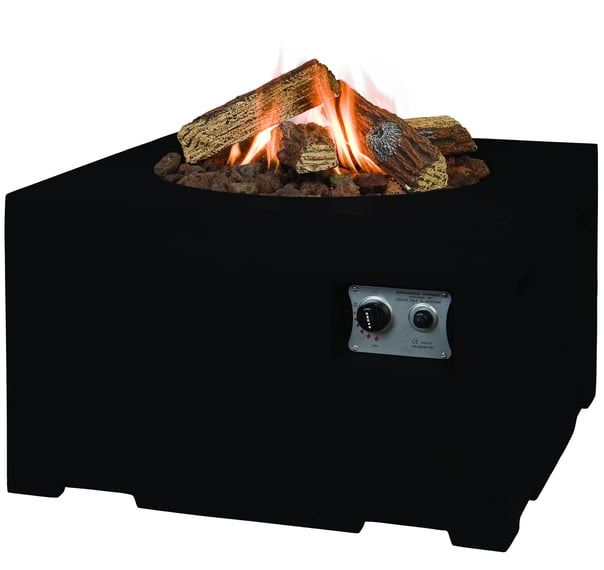
Shop the Happy Cocooning 60cm Gas Fire Pit →
Matt's tip: keep a dry box of kindling
The one habit that makes lighting effortless is storing your kindling and firelighters somewhere dry. A lidded box or an old biscuit tin in the shed does the job. Damp kindling is the quiet reason a fire will not catch on a cool evening. I keep a small stash of birch kindling and a few natural wool firelighters ready. Lighting up then takes one match and no thought. Dry fuel beats every clever technique.
How do you put a fire pit out safely?
Let a fire pit burn down to ash where you can, then douse it. Stop adding wood about an hour before you want to finish, and let the logs reduce to embers. Spread the embers out with a poker so they cool faster. When you are ready, pour water slowly over them and stir. Pour again until the hissing stops and no steam rises.
Do not tip a full bucket in one go on a hot cast or steel bowl. The sudden shock can warp or crack it. A gentle, repeated soak is safer. Leave the cold ash for a full day before clearing it, since embers hide and stay hot. Once cool, wood ash can go on the compost heap or around shrubs in small amounts. A bowl with a cover keeps the next fire dry and ready.
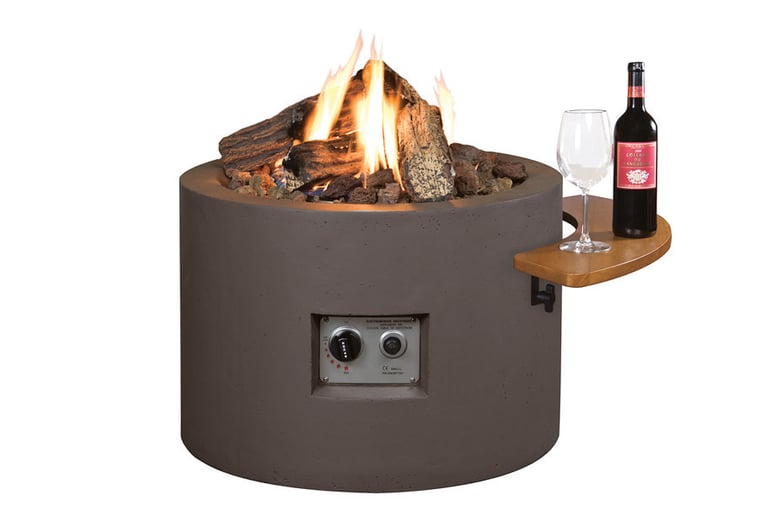
Shop the Happy Cocoon 61cm Round Grey Fire Pit →
We stock fire pits because a good one earns its place in a garden for years. We choose deep bowls that draw air and light easily. We pick thick steel and cast bodies that take the heat. Kadai sets cook as well as they warm. Lighting a fire should be simple, and the right bowl makes it so. Browse our full range of garden ornaments for more ways to finish your outdoor space.
- Matt W, Garden Ornaments
Frequently asked questions
What is the quickest way to light a fire pit?
Build it small and light the top. Set tinder and a tower of thin kindling first, light it, and add hardwood once the kindling catches. A deep bowl draws air and gets going in about ten minutes.
What wood should you not burn in a fire pit?
Never burn wet, painted, treated or reclaimed wood. These smoke heavily or release harmful fumes. Avoid softwoods like pine for the main fire, as they spit and leave sooty resin. Stick to seasoned hardwood under 20% moisture.
How do I stop my fire pit from smoking so much?
Use dry wood and let the fire breathe. Smoke is unburnt fuel from wet logs, a cool fire or poor airflow. Burn seasoned hardwood, build loosely, and add wood little and often.
Should you put a lid on a fire pit while it burns?
No, a burning fire needs air. Covering it cuts the draught and makes it smoke or die. Use the lid or cover only once the fire is fully out and cold, to keep the bowl dry.
Can you use a fire pit in a smoke control area?
Only with care or a gas model. Burning wood may breach the rules in a smoke control area. A gas fire pit produces no smoke. Check our smoke control guide before lighting wood in town.
How long does a fire pit take to cool down?
Allow a full 24 hours. Embers stay hot long after the flames die. Douse with water, stir, then leave the ash a day before clearing. Never store a bowl with warm ash inside.