
Earthcore and Lemonading: The 2026 Garden Trends That Matter
Written by Matt W on 7th Apr 2026.
Earthcore and Lemonading are the two defining garden trends of 2026. Living Etc and Growing Family identified them as the styles shaping outdoor spaces this year. Earthcore centres on warm, earthy tones and tactile natural materials like stone, sandstone and weathered terracotta. Lemonading embraces imperfection and garden chaos. Both favour ornaments that age naturally with moss, lichen and patina. Prices for trend-ready pieces range from £55 to £750.
The Garden Ornaments Team
Specialist garden ornament retailer with over 900 products across stone statues, metal sculptures, water features and garden decor
Key Takeaways
- ✓Earthcore uses warm earth tones, natural stone and tactile textures — ornaments from £55 to £750 fit the style
- ✓Lemonading celebrates garden imperfection: moss-covered statues, weathered birdbaths and unmanicured planting
- ✓Stone develops beautiful patina in the UK’s damp climate, making it the ideal material for both trends
- ✓Earthcore differs from Japandi — it favours warm ochres and terracotta over cool greys and minimalism
- ✓Both trends reject polished, pristine garden accessories in favour of pieces that tell a story over time
What Is the Earthcore Garden Trend?
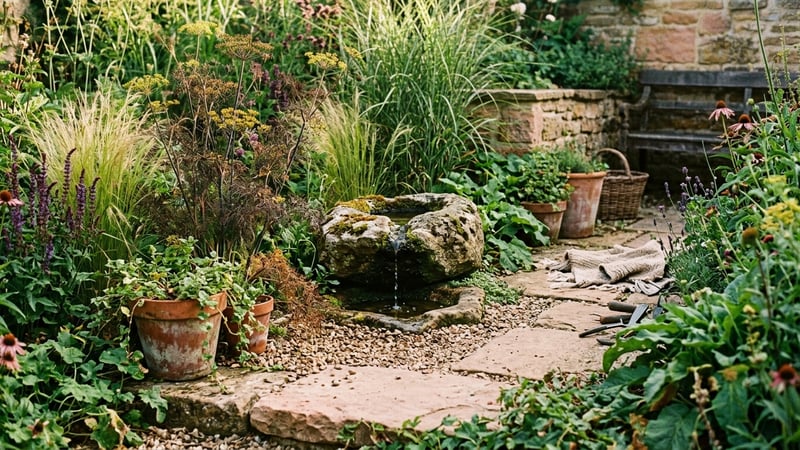
Earthcore is a 2026 garden styling movement that grounds outdoor spaces in the natural world. Living Etc named it one of the year’s defining aesthetics. The core principle is simple: surround yourself with materials and colours drawn from the earth.
Think warm ochres, burnt sienna, sandstone beige and moss green. Earthcore gardens avoid bright plastics and polished chrome. They favour raw, tactile surfaces you want to touch. A hand-carved stone statue fits. A glossy resin replica does not.
The trend extends beyond colour. Earthcore values weight and permanence. Heavy stone water features anchor a garden in the same way a mature tree does. A Babbling Natural Stone Water Feature (from £499) captures this perfectly. Water moves over real stone, creating the sensory grounding that Earthcore demands.
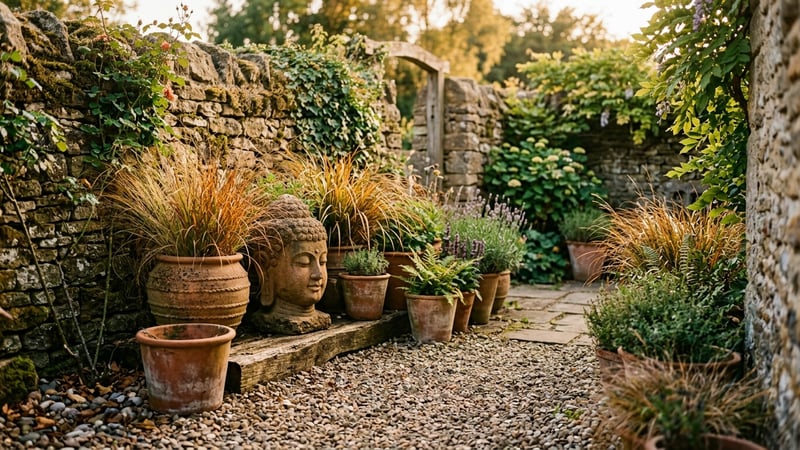
Earthcore also favours sculptural pieces with cultural depth. A Stone Buddha Head Statue (£225) or Stone Moai Head Statue (£199) brings contemplative weight to a border or patio corner. These are not decorative afterthoughts. They are focal points that connect the garden to human history and the natural world.
The UK climate works in Earthcore’s favour. Rain, humidity and shade encourage moss and lichen growth on stone surfaces. A new sandstone ornament begins to look established within 6 to 12 months. That natural ageing process is central to the trend.
What Does Lemonading Mean in Garden Design?
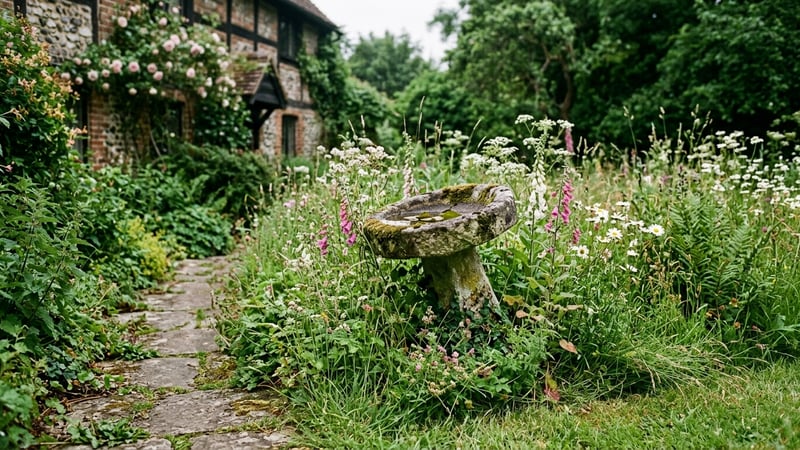
Lemonading is the 2026 garden philosophy of making the best of what you have. Growing Family coined the term as a rejection of manicured perfection. Bare lawn patches, unruly borders and a moss-covered stone birdbath? That is the aesthetic.
The name comes from the old saying: when life gives you lemons, make lemonade. Applied to gardens, it means embracing the cracks, the wonky paving and the self-seeded wildflowers. A Lemonading garden looks lived-in, not styled for a magazine shoot.
This shift has practical appeal for UK gardeners. Maintaining a pristine garden requires constant effort. Lemonading removes that pressure. It encourages placing ornaments where they look natural rather than symmetrical. A Barn Owl Garden Ornament in Sandstone (from £55) tucked among ferns looks far better than one centred on a plinth.
Aged and weathered pieces thrive in a Lemonading garden. An Aged Bowls Water Feature (£135) already looks like it has been in the garden for decades. That pre-aged finish is exactly what this trend values. You do not need to wait years for the patina. It arrives ready to blend in.
Lemonading also pairs well with wildlife-friendly gardening. Leave the leaf litter. Let the ivy climb. A Blue Tit Birdbath in Stone (£215) half-hidden by lavender attracts birds and fits the aesthetic perfectly.
How to Style a Garden Using Earthcore Principles
Start with a colour palette drawn from the ground beneath your feet. Earthy browns, warm terracotta, sandstone yellows and deep olive greens form the base. Avoid anything that looks manufactured or uniform.
Choose a single anchor piece for each zone of your garden. A large stone water feature works for a patio area. The Angels Wings Rainbow Stone Water Feature (£750) combines natural rainbow stone with flowing water. It weighs 90kg and will not blow over in a storm. That permanence matters.
Layer textures around your anchor piece. Gravel paths, bark mulch and rough-hewn stone edging all reinforce the Earthcore palette. Plant in warm tones: ornamental grasses, bronze fennel, amber rudbeckia and terracotta-potted herbs.
Group smaller ornaments in odd numbers. Three sandstone pieces of varying heights create a natural cluster. Avoid straight lines and symmetrical spacing. Earthcore gardens should feel as though the pieces were discovered, not placed.
Lighting matters too. Warm white LEDs (2700K or lower) maintain the earthy palette after dark. Cool white lights clash with every material choice you have made. Solar lanterns with amber glass fit well.
Which Garden Ornaments Fit the Lemonading Aesthetic?
Ornaments that look deliberately imperfect suit Lemonading best. Aged finishes, rough textures and asymmetrical forms all work. The goal is to avoid anything that looks like it came out of a box yesterday.
Stone bird baths are a natural fit. The Natural Basin Stone Bird Bath (£265) has an organic, uneven rim that looks hand-carved. Place it off-centre in a border rather than in the middle of a lawn. Let plants grow around its base.
Animal ornaments work well when they blend into planting. The Barn Owl in Sandstone (from £55) looks convincing among tall grasses and cow parsley. It does not demand attention. It rewards those who spot it.
Self-contained water features with a weathered look also fit. The Ancient Fern Self Contained Water Feature (£225) combines fern-leaf detailing with an aged stone finish. It works in a shaded corner where real ferns grow alongside it.
Avoid anything polished, chrome-finished or geometrically perfect. Lemonading rejects the curated Instagram garden. It wants character, history and a sense that nature is gently reclaiming the space.
Earthcore vs Japandi: What Is the Difference?
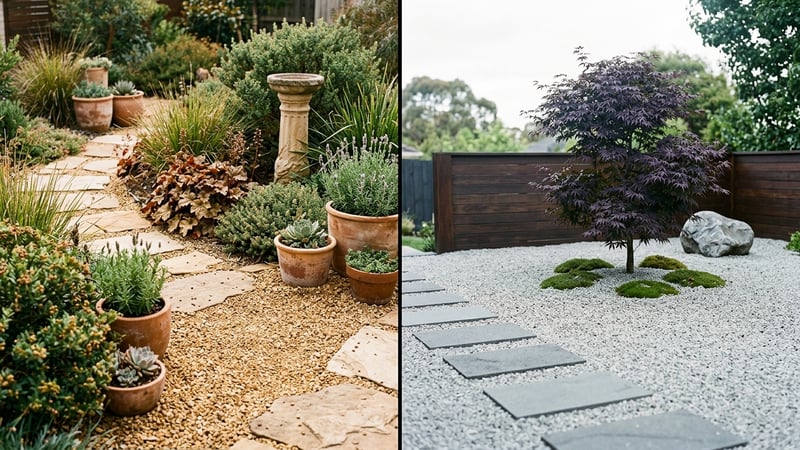
Earthcore and Japandi share a love of natural materials but differ in temperature and formality. Japandi blends Japanese minimalism with Scandinavian simplicity. It favours cool greys, pale timber and clean lines. Earthcore is warmer, rougher and less restrained.
| Dimension | Earthcore | Lemonading | Japandi |
|---|---|---|---|
| Colour palette | Warm ochres, terracotta, moss green | Whatever nature provides | Cool greys, pale wood, muted tones |
| Ornament style | Sculptural, cultural, heavy | Aged, weathered, asymmetrical | Minimal, geometric, restrained |
| Material preference | Natural stone, sandstone, terracotta | Anything that ages well | Smooth stone, bamboo, dark metal |
| Garden type | Textured, layered borders | Cottage, wildflower, unstructured | Courtyard, contemplative, formal |
| Maintenance level | Low to medium | Very low | Medium to high |
| Imperfection | Welcomed as patina | Celebrated as the whole point | Managed and controlled |
| Price range (ornaments) | £55 – £750 | £55 – £265 | £80 – £500 |
If you already have Japanese-style garden ornaments, you can blend elements. A stone lantern works in both Japandi and Earthcore settings. But Earthcore would surround it with wild planting and warm-toned gravel. Japandi would pair it with raked sand and a single specimen plant.
For a full breakdown of Japandi, dark metals, oversized pieces and other styles, read our guide to other 2026 garden ornament trends.
Best Materials for an Earthcore Garden
Natural stone is the single best material for Earthcore styling. It is heavy, tactile and weathers beautifully in the UK climate. Sandstone, limestone and granite all develop unique patina within their first year outdoors.
Reconstituted stone (a mix of crusite stone and cement) offers the same aesthetic at a lower weight and price. Most of our stone ornaments use this material. It accepts moss and lichen growth just like quarried stone. After 12 months, you will struggle to tell the difference.
Cast iron and aged bronze also fit the Earthcore palette. A dark metal obelisk or rusted Corten steel planter adds height without breaking the earthy colour scheme. Avoid polished stainless steel or chrome — they reflect light in a way that feels industrial, not natural.
Terracotta pots are an affordable entry point. They crack and age gracefully. Stack them, lay them on their side or half-bury them in a border for an archaeological feel. Group three or five together with trailing plants spilling over the rims.
For a deeper look at how stone compares to resin, metal and concrete, read our full materials guide. Longevity matters. Our piece on why stone lasts and plastic does not covers the environmental angle.
How to Embrace Imperfection in Your Garden
Embracing imperfection starts with changing what you consider a problem. Moss on a statue is not damage. It is character. A wonky path is not a mistake. It is charm.
Stop power-washing stone ornaments every spring. Let the natural patina build. A stone birdbath with green algae around the rim looks like it belongs. A freshly scrubbed one looks like it arrived yesterday. Want to speed things up? Our guide on how to age a garden statue covers four proven methods: yoghurt, buttermilk and manure tea.
Place ornaments where they look discovered, not displayed. Nestle a small stone figure into ground-cover planting. Half-hide a birdbath behind a shrub. Let climbers grow around a water feature. The Ancient Fern Water Feature (£225) looks best when real ferns frame it on both sides.
Mix old and new pieces. A brand-new sandstone owl next to a 20-year-old stone trough creates visual interest. The new piece will age to match within a couple of seasons. That transition is part of the beauty.
Accept self-seeded plants. If a foxglove appears in your gravel path, leave it. If herb robert colonises the base of your statue, let it stay. Lemonading and Earthcore both reward gardeners who work with nature rather than against it.
For more ornament ideas that suit a relaxed, lived-in garden, browse our cottage garden ornaments guide. The styles overlap with both Earthcore and Lemonading.
Frequently Asked Questions
What is the Earthcore trend in gardening?
Earthcore is a 2026 garden trend built on warm, earthy tones and natural materials. Living Etc named it one of this year’s key outdoor styles. The palette centres on ochres, terracotta, sandstone and moss green. Heavy stone ornaments, tactile textures and naturalistic planting define the look.
What does Lemonading mean for gardens?
Lemonading means embracing your garden’s imperfections rather than fighting them. Growing Family popularised the term as a 2026 trend. It encourages leaving moss on statues, welcoming self-seeded plants and choosing ornaments with weathered, aged finishes. The goal is a lived-in garden that feels natural, not manicured.
Which garden ornaments suit the Earthcore style?
Stone statues, sandstone sculptures and natural stone water features suit Earthcore best. Pieces with cultural weight work particularly well — stone Buddha heads, Moai statues and hand-carved bird baths. Prices range from £55 for a sandstone owl to £750 for a large rainbow stone water feature. Avoid polished metals and bright plastics.
How is Earthcore different from Japandi?
Earthcore uses warm tones while Japandi favours cool greys and pale wood. Both value natural materials, but Japandi demands minimalism and clean lines. Earthcore is rougher, more layered and less restrained. Japandi gardens feel curated and contemplative. Earthcore gardens feel textured and organic.
Do stone ornaments weather well in the UK?
Stone ornaments weather exceptionally well in UK conditions. The damp climate encourages moss and lichen growth within 6 to 12 months. This natural ageing creates the patina that both Earthcore and Lemonading trends value. Reconstituted stone accepts weathering just as effectively as quarried stone.
Can I combine Earthcore and Lemonading in one garden?
Yes, the two trends overlap naturally and work well together. Use Earthcore’s warm colour palette for your ornament choices and Lemonading’s relaxed placement philosophy for positioning. A sandstone bird bath placed off-centre in an unmanicured border blends both styles. Let moss grow, welcome self-seeded plants and avoid symmetry.
What is the cheapest way to try the Earthcore trend?
Start with a single sandstone ornament from around £55 and terracotta pots. The Barn Owl in Sandstone is an affordable entry point. Add warm-toned gravel around £30 per bag and plant bronze fennel or ornamental grasses from £5 to £10 per plant. The full look can start from under £100.