34 Varieties Covered
Annuals, perennials, bulbs & shrubs
UK Climate Rated
RHS hardiness for every plant
Beginner Friendly
Every flower suits first-time growers
Pollinator Picks Marked
Best flowers for bees & butterflies
These 34 easy-to-grow flowers cover every type of UK garden, from sunny borders to shaded woodland edges. The list includes hardy perennials like lavender and daffodils that survive British winters without protection, summer annuals like zinnias and cosmos that flower from July to October, and spring bulbs that naturalise in lawns. Every flower here grows well in average UK garden soil with minimal care. Most are available as seeds for under £3 a packet.
Matt's Tip: Start with five
I see people buy 20 varieties at once and get overwhelmed. Pick five from this list that suit your soil and light. Get those established first. Once you have a rhythm with watering and deadheading, add more the following year. Daffodils, lavender, marigolds, dahlias, and cosmos would be my starter five for most UK gardens.
The 34 easiest flowers to grow in a UK garden
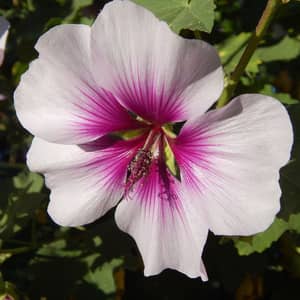
1. Althea (Rose of Sharon)
A woody flowering shrub available in white, pink, purple, and blue. Hardy to RHS H5, it grows happily across the UK in full sun or partial shade. Tolerates drought once established. Prune in late winter to keep the shape tidy. Grows 2–3m tall and works well as an informal hedge or back-of-border specimen.
Browse our Stone Garden Planters →
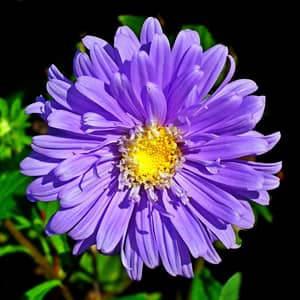
2. Aster
Daisy-like perennials with starry flower heads in purple, pink, blue, and white. They bloom from August to October when most other flowers are fading, making them one of the best late-season performers. Hardy to RHS H7. Plant in rich, well-drained soil in full sun. Cut back to a few centimetres above ground in late autumn and mulch with straw.
Browse our Stone Bird Baths →
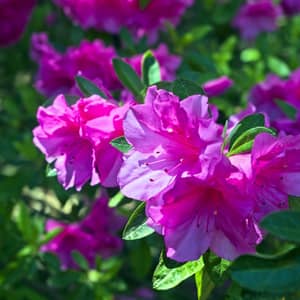
3. Azaleas
Members of the Rhododendron family, these low-growing shrubs produce masses of blooms in April and May. They thrive in acidic soil (pH 4.5–6.0) and dappled shade, making them perfect for woodland gardens or north-facing borders. Hardy to RHS H6. Mulch with ericaceous compost or pine needles each spring.
Browse our Stone Garden Ornaments →
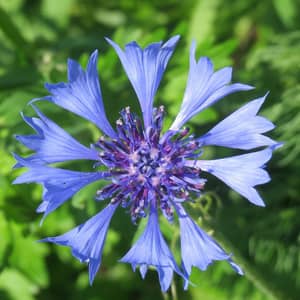
4. Bachelor Buttons (Cornflowers)
The classic blue cornflower that once grew wild in British wheat fields. Sow directly in spring in any reasonably fertile soil. They self-seed freely year after year if you leave spent heads on the stems. Hardy annual. Also available in pink, white, and deep maroon varieties. Brilliant for cutting and for attracting pollinators.
Browse our Garden Vases & Urns →
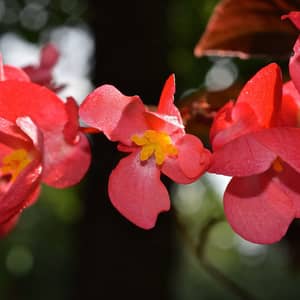
5. Begonia
Tropical in origin but widely grown as a UK bedding plant or in containers. Tuberous varieties produce large double flowers in reds, oranges, and yellows. Let compost almost dry out between watering — overwatering causes root rot faster than anything else. Lift tubers before the first frost and store in dry compost over winter. Plant out again after the last frost in late May.
Browse our Stone Garden Sundials →
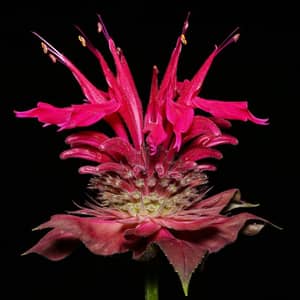
6. Bergamot (Bee Balm)
Also called Monarda or Oswego tea. Produces shaggy flower heads in purple, pink, or red from June to September. Bees and butterflies love it. All parts are edible — the petals make a fragrant tea. Hardy to RHS H7 and self-seeds readily. Grows 60–90cm tall in moist, fertile soil. Divide clumps every 3–4 years to keep them vigorous.
Browse our Large Garden Ornaments →
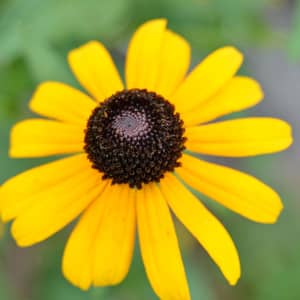
7. Black-Eyed Susan (Rudbeckia)
Golden yellow petals with a dark cone-shaped centre. Blooms from July to October, providing late-summer colour when borders start to look tired. Hardy to RHS H7. Grows well in most UK soils in full sun. Self-seeds freely. Modern hybrids come in russet, orange, and bicolour forms. Grows 60–90cm tall.
Browse our Buddha Garden Ornaments →
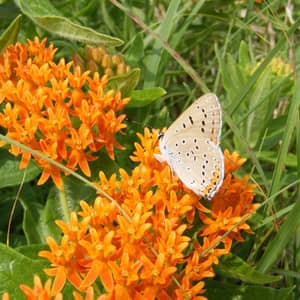
8. Butterfly Weed (Asclepias)
Clusters of bright orange flowers from June to August on 50–70cm stems. A magnet for butterflies and moths. Hardy to RHS H5 in sheltered spots. Prefers full sun and well-drained soil — does not like heavy clay or waterlogged ground. Slow to establish but long-lived once settled. Seeds available from most UK wildflower suppliers.
Browse our Stone Garden Planters →
9. Calendula (Pot Marigold)
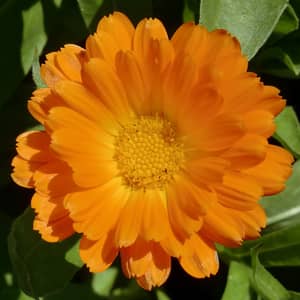
Not to be confused with French marigolds (Tagetes). Calendula has bright orange or yellow petals that are edible — scatter them in salads or use dried in herbal teas. Also used in skin balms and healing ointments. Hardy annual. Sow directly in March or April. Self-seeds enthusiastically. One of the easiest flowers you can grow from seed in any UK soil.
Browse our Stone Bird Baths →
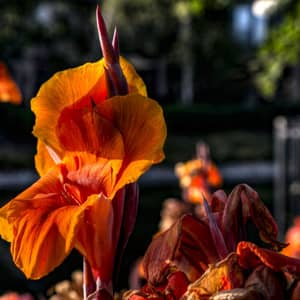
10. Cannas
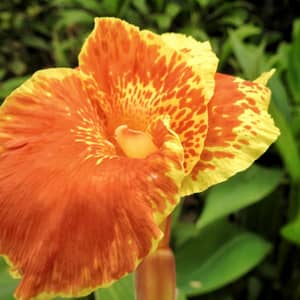
Exotic-looking flowers in red, orange, and yellow on 1–1.5m stems. The large tropical leaves are almost as striking as the blooms. Plant bulbs indoors in April, move outside after the last frost in late May. Lift and store bulbs frost-free over winter. They add a dramatic, jungle-garden feel to UK borders and large containers.
Browse our Stone Garden Ornaments →
11. Chicory
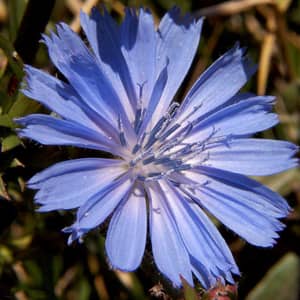
Sky-blue flowers and lacey green leaves. The leaves and flower buds are edible in salads. The dried roots can be roasted and used as a coffee substitute. Chicory grows wild across the UK on chalky soils and road verges. Hardy to RHS H7. Needs almost no attention once established. A cousin of the dandelion and just as tough.
Browse our Garden Vases & Urns →
12. Cosmos
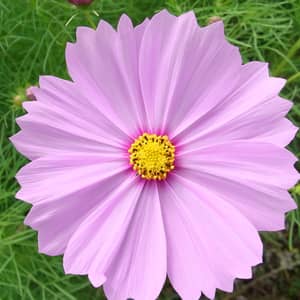
One of the best cut flowers for beginners. Feathery foliage and daisy-like blooms in white, pink, and crimson from July to the first frost. Sow indoors in April or directly outside in May. Half-hardy annual. Grows 60–120cm tall. Prefers full sun and moist, well-drained soil. Deadhead regularly for continuous flowering. Cosmos bipinnatus 'Purity' and 'Dazzler' are excellent UK garden varieties.
Browse our Stone Garden Sundials →
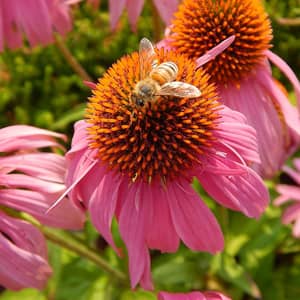
13. Coneflower (Echinacea)
The classic purple coneflower has been hybridised into a range of colours including orange, yellow, and white. Hardy to RHS H7. Loves full sun and well-drained soil. Blooms July to September. Leave seed heads on the stems over winter — they self-seed and also provide food for goldfinches. Low maintenance once established. The roots and flowers are used in herbal remedies.
Browse our Large Garden Ornaments →
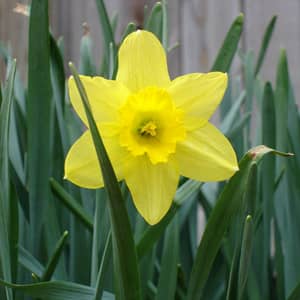
14. Daffodils
The quintessential British spring flower. Plant bulbs in September or October, 10–15cm deep, and they will bloom every March with zero fuss. Hardy to RHS H7. Naturalise beautifully in lawns and under deciduous trees. Let the foliage die back naturally after flowering — cutting it too early weakens next year's blooms. Hundreds of varieties from classic yellow narcissus to elegant paperwhites.
Browse our Buddha Garden Ornaments →
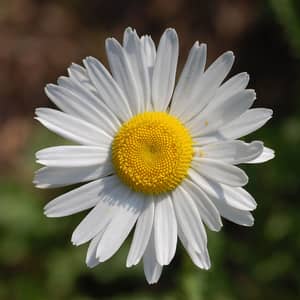
15. Daisy
Daisies spread rapidly and need almost no care. Full sun and well-drained soil are their only requirements. Deadhead to prevent them spreading into lawns and paths. Shasta daisies (Leucanthemum) grow 60–90cm and make excellent cut flowers. Hardy to RHS H7. Can also be grown in containers. One of the most reliably flowering perennials in any UK garden.
Browse our Stone Garden Planters →
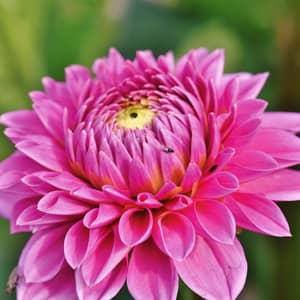
16. Dahlias
Plant tubers in April for flowers from July to the first frost. Available in almost every colour and form, from dinner-plate-sized blooms to compact pompons. In mild coastal areas, tubers can stay in the ground over winter with a thick mulch. In colder parts of the UK, lift tubers after the first blackening frost and store frost-free. Feed fortnightly with tomato fertiliser for the best blooms.
Browse our Stone Bird Baths →
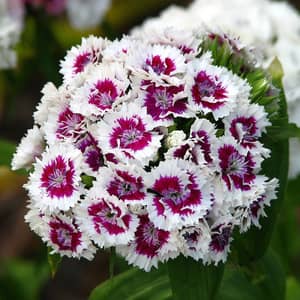
17. Dianthus (Sweet William & Pinks)
Sweet Williams are biennial — sow one year, flowers the next, then they self-seed. Garden pinks (Dianthus plumarius) are perennial, with a spicy clove scent. Both prefer well-drained, slightly alkaline soil in full sun. Hardy to RHS H7. The old-fashioned cottage garden varieties have a shorter blooming season (May–June) but modern hybrids flower through summer.
Browse our Stone Garden Ornaments →
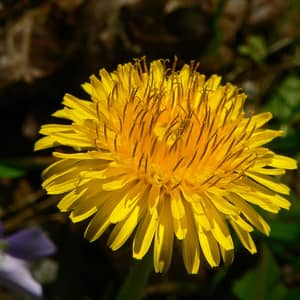
18. Dandelions
Often treated as a lawn weed, but dandelions are completely edible and high in vitamins A, C, and K. The young leaves work in salads. The petals make wine or jelly. Dried roots can replace coffee. They grow everywhere in the UK without any help at all. If you want them in a border, just let them be. They flower early in spring when pollinators need food most.
Browse our Garden Vases & Urns →
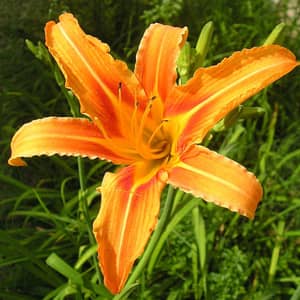
19. Day Lilies (Hemerocallis)
Each flower lasts just one day, but plants produce so many buds that the display continues for weeks. Hardy to RHS H7 and almost impossible to kill. They tolerate poor soil, drought, and partial shade. Plant tubers in moderately rich soil in sun or light shade. Modern hybrids come in every colour from pale lemon to deep burgundy. Divide clumps every 4–5 years.
Browse our Stone Garden Sundials →
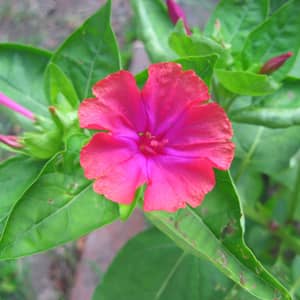
20. Four O'Clocks (Mirabilis)
Named because the trumpet-shaped flowers open in late afternoon and stay open through the night. Fragrant and available in pink, yellow, white, and striped forms. Grow from seed sown indoors in April, plant out after the last frost. They die back in winter but re-grow from tuberous roots in sheltered UK gardens. Deadhead to prevent self-seeding — they can spread aggressively.
Browse our Large Garden Ornaments →
21. Gladiolus
Tall, spiky flower stems that bring bold colour to mid-summer borders. Plant corms in April, 10cm deep, in a sunny spot. They flower in July and August. Stake taller varieties to prevent wind damage. Lift corms after the first frost and store dry over winter. Plant in batches two weeks apart for a longer flowering season. Excellent cut flowers.
Browse our Buddha Garden Ornaments →
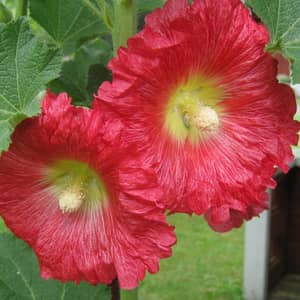
22. Hollyhocks
A cottage garden classic. Tall spires (up to 2.5m) of large, ruffled blooms in pinks, reds, whites, and near-blacks. Biennial — they may not flower in their first year. Hardy to RHS H7. Sow seeds in June for flowers the following summer. They self-seed freely. Best grown against a south-facing wall or fence where they have shelter from wind. Prone to rust but still worth growing.
Browse our Stone Garden Planters →
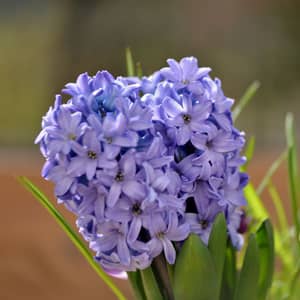
23. Hyacinths
Intensely fragrant spring bulbs in purple, pink, white, and blue. Plant 10cm deep in October or November. They bloom in March and April, shortly after crocuses. Hardy to RHS H6. Prefer rich, well-drained soil in sun or partial shade. After a few years, the flower spikes become looser and more natural-looking. Also excellent for indoor forcing in glass vases during winter.
Browse our Stone Bird Baths →
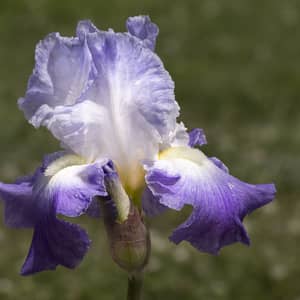
24. Irises
Plant rhizomes in July or August for flowers the following May and June. Bearded irises need the top of the rhizome exposed to sunlight, so do not bury them too deep. Hardy to RHS H7. Full sun and well-drained soil. Available in hundreds of colours. Once established, they need little watering or attention beyond weeding. Divide clumps every 3–4 years when flowering declines.
Browse our Stone Garden Ornaments →
25. Marigolds (Tagetes)
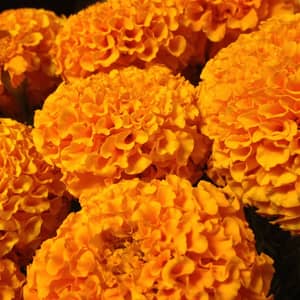
Hardy annuals that flower from June to the first frost with almost no care. French marigolds stay compact at 20–30cm. African marigolds grow taller at 60–90cm. Both are excellent companion plants — they repel whitefly and nematodes. Sow indoors in March or buy as bedding plants. Available in every shade of yellow, orange, and red. Do not confuse with edible Calendula.
Browse our Garden Vases & Urns →
26. Morning Glory
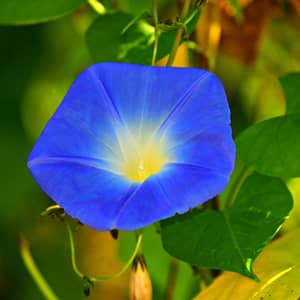
Vigorous climbing annual with trumpet-shaped flowers in blue, purple, pink, or white that open each morning and close by afternoon. Grows 2–3m in a single season, making it excellent for covering a trellis, pergola, or fence. Sow indoors in April, soak seeds overnight first. Plant out after the last frost. In the UK climate, it stays well-behaved as an annual — it dies with the first frost.
Browse our Stone Garden Sundials →
27. Nasturtiums
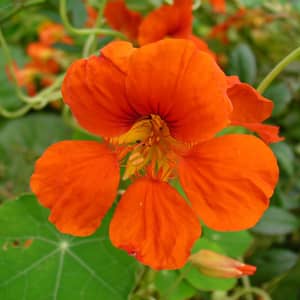
Both the flowers and young leaves are edible with a peppery, watercress-like flavour. Sow directly in May — they dislike transplanting. Grow in poorer soil for more flowers (rich soil produces all leaf and few blooms). Climbing varieties scramble 1.5–2m up supports. Compact varieties suit containers and hanging baskets. Hardy annual. Often used as a companion plant to attract aphids away from vegetables.
Browse our Large Garden Ornaments →
28. Pansies
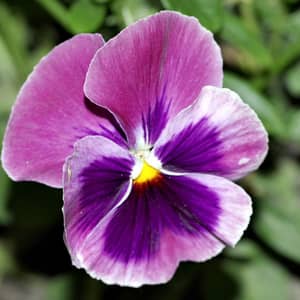
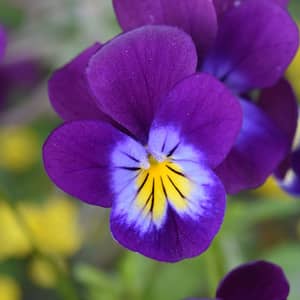
Cheerful faces in almost every colour combination. They flower best in cool weather — spring and autumn in the UK. Winter pansies (planted in October) provide colour from November to April when little else is flowering. Summer pansies struggle in heat above 25°C. Hardy to RHS H6. Grow in containers, window boxes, or border edges. The petals are edible with a mild, minty flavour.
Browse our Buddha Garden Ornaments →
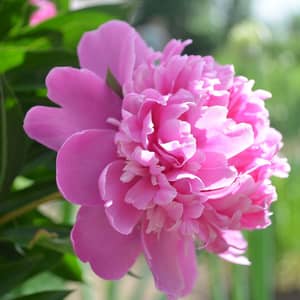
29. Peonies
Big, blowsy flower heads in pink, white, red, and coral. Bloom in May and June with a heady fragrance. Hardy to RHS H7. Plant bare-root peonies in autumn with the crown (growing points) no more than 2.5cm below the soil surface — planting too deep is the most common reason they fail to flower. They dislike being moved, so choose the spot carefully. Long-lived plants that improve with age.
Browse our Stone Garden Planters →
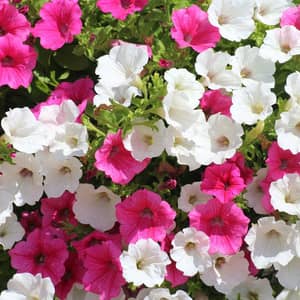
30. Petunias
Best bought as bedding plants rather than grown from seed (the seeds are tiny and tricky to germinate). Water regularly but keep foliage dry — they are prone to grey mould in wet British summers. Trailing Surfinia types are excellent for hanging baskets and window boxes. Feed weekly with tomato fertiliser. Available in every colour. Half-hardy annual — plant out after the last frost in late May.
Browse our Stone Bird Baths →
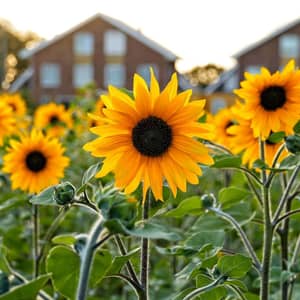
31. Sunflowers
One of the easiest flowers a child (or adult) can grow. Sow seeds directly in May, 2cm deep, in a sunny spot. They grow fast — some varieties reach 3m by August. Stake tall varieties from mid-summer to prevent them toppling. Leave the seed heads on in autumn for birds. Dwarf varieties (30–50cm) suit containers and small gardens. Hardy annual that thrives in average UK soil.
Browse our Stone Garden Ornaments →
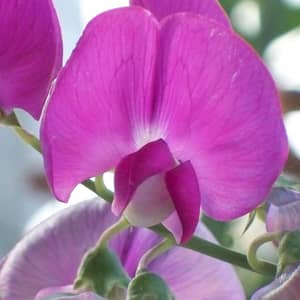
32. Sweet Peas
Soak seeds overnight, then sow in root trainers in October or March. Plant out in April in rich, well-drained soil with a climbing support. They flower from June to September with one of the finest fragrances of any garden flower. The more you pick, the more they flower. Stop picking and they stop flowering. Sweet peas grow beautifully over garden ornaments, trellises, and obelisks. Hardy annual.
Browse our Garden Vases & Urns →
33. Violets
Sweet violets (Viola odorata) make a fragrant, low-growing ground cover under trees and shrubs. They flower in February and March, one of the earliest bloomers in any UK garden. Hardy to RHS H7. Self-seed freely and spread by runners. The flowers are edible and traditionally used to decorate cakes. Grow in partial shade in moist, humus-rich soil. A native British wildflower.
Browse our Stone Garden Sundials →
34. Zinnias
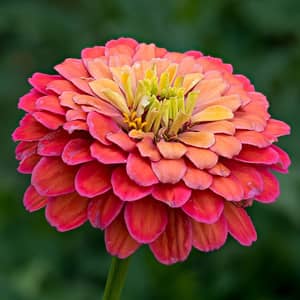
Bold, long-lasting flowers in every colour except blue. Excellent for cutting and drying. Sow indoors in April and plant out after the last frost. They love heat and do best in the warmest, sunniest spot in your garden. Half-hardy annual. Water at the base rather than overhead to avoid powdery mildew. Deadhead regularly for continuous flowers from July to October.
Browse our Large Garden Ornaments →
Frequently asked questions
What is the easiest flower to grow in a UK garden?
Daffodils are the easiest flower for UK gardens. Plant bulbs in autumn, 10–15cm deep, and they return every spring for decades with no care at all. They tolerate almost any soil, cope with full sun or partial shade, and naturalise in lawns. For summer colour, marigolds and nasturtiums are equally low-maintenance annuals you can sow directly outdoors.
What flowers can I plant now and they will come back every year?
Hardy perennials return year after year without replanting. From this list, daffodils, lavender (bergamot), asters, day lilies, irises, peonies, echinacea, and violets are all reliably perennial in UK gardens. Plant them once and they will re-emerge each spring. Most perennials also increase in size, so you can divide them every few years to fill more space for free.
When should I start planting flowers in the UK?
Hardy flowers go in from March; tender ones after the last frost in late May. Spring bulbs (daffodils, hyacinths) are planted in autumn. Hardy perennials and biennials can be planted from March onwards. Tender annuals (cosmos, zinnias, petunias, dahlias) must wait until late May or early June when the risk of overnight frost has passed. Scotland and northern England should wait until mid-June for tender plants.
Which flowers are best for attracting bees and butterflies?
Bergamot, echinacea, lavender, and cornflowers are the best pollinator plants on this list. Single-flowered varieties (not double) give pollinators the easiest access to nectar and pollen. Plant in groups of three or more of the same species — pollinators find larger patches more easily. Aim for a mix of flowers that bloom from March to October to provide food throughout the season.
Can I grow flowers in containers if I have no garden?
Most flowers on this list grow well in pots and containers. Petunias, pansies, begonias, marigolds, nasturtiums, and dahlias are all excellent container plants. Use peat-free multipurpose compost with added perlite for drainage. Feed weekly with liquid fertiliser during the growing season. Make sure containers have drainage holes — waterlogging kills more container plants than drought. Our range of garden planters includes frost-proof options in stone, resin, and ceramic.
Matt W
Garden & Outdoor Specialist
Matt has spent over 16 years working hands-on with garden products across the UK. He tests materials in Staffordshire clay soil and hard water conditions, and writes from direct experience fitting, maintaining, and repairing everything from stone statues to cast iron furniture. His advice is based on what actually survives a British winter, not what looks good in a catalogue.
Further reading