
Resin Garden Ornaments: Lightweight, Affordable and Worth It?
Written by Matt W on 9th Mar 2026.
Resin garden ornaments cost £45-£495, weigh 60-80% less than stone equivalents, and last 3-10 years depending on quality. Cheap resin from big-box stores fades in one summer. Quality polyresin blended with crushed marble is nearly indistinguishable from cast stone and lasts significantly longer. The main enemies are UV fading and frost below -10°C. This honest assessment covers when resin is worth it and when stone is the better investment, based on selling both materials since 2012.
By Matt W | 9 March 2026
Key Takeaways
- ✓ Cheap resin fades in one summer and lasts 3-5 years. Quality polyresin with crushed marble lasts 7-10 years
- ✓ Resin is 60-80% lighter than stone — ideal for balconies, walls, and renters who move frequently
- ✓ UV fading is the biggest problem. Annual UV-resistant spray coating adds years of life
- ✓ Frost below -10°C can crack lightweight resin. Sheltered spots or winter storage prevents this
- ✓ Our Enigma range uses crushed marble + polyresin — looks and feels like stone at a fraction of the weight
- ✓ Cost per year: quality resin at £15-50/year vs cast stone at £3-8/year over its full lifespan
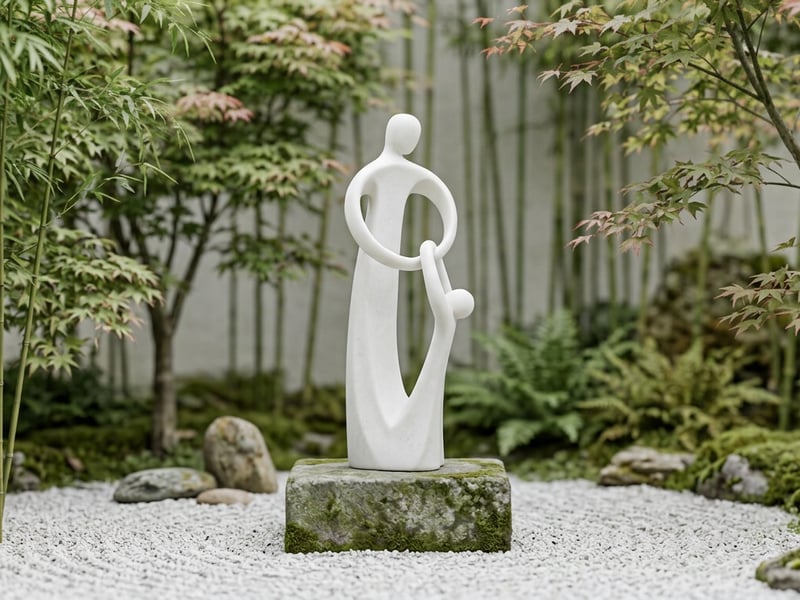
Shop the Happiness Garden Statue →
Matt's experience
I sell resin ornaments and stone ornaments. That puts me in an unusual position: I have no reason to push one over the other. Here is what I have learned from 14 years of customer feedback. Cheap resin is a waste of money. Full stop. The dyes fade, the surface cracks, and it ends up in the bin within three years. But quality polyresin blended with crushed marble is a different product entirely. I have customers with Enigma pieces that still look sharp after 6 years outdoors. The material matters more than the label.
Are resin garden ornaments any good?
Quality polyresin garden ornaments blended with crushed marble are good. Cheap mass-produced resin is not. The difference comes down to manufacturing. Budget resin ornaments use hollow moulds, thin walls, and surface-applied paint that UV radiation strips within months. The pieces sold in supermarkets and discount stores for £15-£30 are made this way. They look fine on the shelf. They look terrible after one British summer.
Quality polyresin is a different product. Manufacturers like Enigma blend ground marble, calcium powder, and UV-stabilised resin into a dense, heavy compound. The colour runs through the full depth of the material rather than sitting on the surface. These pieces hold their appearance for 7-10 years with basic care. They also capture finer sculptural detail than cast stone because the liquid resin fills every contour of the mould before setting. Browse our full collection of garden ornaments to see both materials side by side.
What is polyresin made from?
Polyresin is a synthetic compound of liquid resin, calcium carbonate, and ground stone or marble dust. The mix is poured into silicone moulds under pressure, creating highly detailed finished pieces. Higher-quality polyresin uses a greater proportion of natural stone filler, making the ornament heavier, denser, and more resistant to UV damage. The resin is the binding agent. The stone filler gives it weight and a natural feel when you pick it up.
This matters because the ratio dictates durability. A 70% stone-filler polyresin piece will outlast a 30% filler piece by years. Unfortunately, no manufacturer prints this ratio on the box. The practical test is weight: heavier polyresin contains more stone and lasts longer. If a 40cm ornament feels suspiciously light, it is mostly resin and will fade faster. Our materials guide explains how each material performs over time.
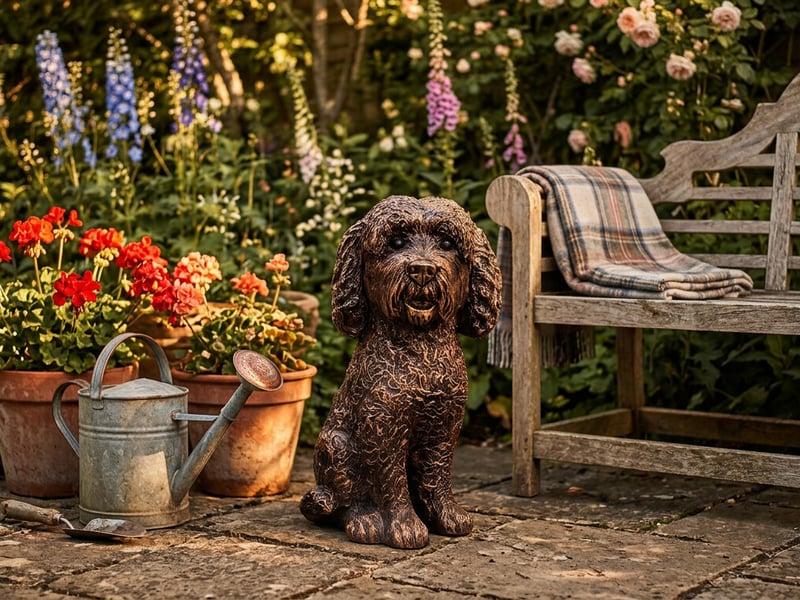
Shop the Cockapoo Bronze Ornament →
How long do resin ornaments last in the UK?
Budget resin lasts 3-5 years. Quality polyresin with crushed marble lasts 7-10 years. UK weather is the deciding factor. Our climate combines persistent damp (perfect conditions for mould growth) with enough summer UV to bleach poorly stabilised dyes. Frost cycles between November and March cause water trapped inside hollow resin to expand and crack the shell from within.
The biggest threat is UV fading. One summer of direct south-facing sun can turn a black resin Buddha grey. An annual coat of UV-resistant spray (marine-grade spar urethane works well) prevents this almost entirely. Move pieces into a shed or garage during prolonged frost below -10°C and the lifespan extends further. Customers in sheltered, north-facing gardens report the longest lifespans. Read our weatherproofing guide for step-by-step frost protection.
Resin vs cast stone vs metal: which material is best?
This comparison covers the three main ornament materials. Each has genuine strengths in certain situations.
| Feature | Resin / Polyresin | Cast Stone | Metal (Bronze/Iron) |
|---|---|---|---|
| Weight | Very light (2-15kg) | Heavy (40-80kg) | Medium-heavy (10-50kg) |
| Frost resistance | Cracks below -10°C | Frost-proof to -15°C | Frost-proof |
| UV resistance | Fades without coating | Excellent | Excellent |
| Lifespan (UK) | 3-10 years | 30+ years | 15-50 years |
| Maintenance | Annual UV spray | Occasional clean | Rust prevention (iron) |
| Price range | £45-£495 | £85-£600+ | £42-£2,299 |
| Detail quality | Finest detail possible | Good to excellent | Excellent (bronze) |
| Best for | Lightweight, budget, sheltered spots | Permanent, exposed, traditional | Contemporary, statement |
The table reveals resin's genuine advantage: weight and price. If you live in a flat with a balcony, or you rent and move every few years, a 5kg resin piece makes more sense than a 50kg stone piece you cannot lift. For a permanent garden position, cast stone wins on every metric except initial cost. Our stone vs resin comparison covers this in full detail.

Shop the Eagle Bronze Ornament →
How to make resin ornaments last longer
UV spray, sheltered placement, and winter storage each add years to any resin ornament. Apply a marine-grade UV-resistant spray (spar urethane) every September before winter sets in. This creates a protective film that blocks the ultraviolet radiation responsible for colour fading. A single can costs £8-£12 and covers several ornaments.
Position resin pieces in partially shaded spots rather than full south-facing sun. Dappled shade under a tree is ideal. During prolonged frost below -10°C, move lightweight resin into a shed, garage, or covered porch. Water trapped in micro-cracks expands when frozen and splits the surface. Clean with warm soapy water and a soft cloth — never pressure wash resin. The RHS garden ornament advice recommends similar seasonal care for all outdoor ornaments.

|
Matt's Pick for Best Resin OrnamentBest For: Dog lovers wanting a lifelike, weather-resistant garden piece Why I Recommend It: The cold-cast bronze finish on this Cockapoo is the most convincing resin-to-metal effect in our range. Customers regularly mistake it for solid bronze. The crushed marble core gives it genuine heft, and the bronze patina actually improves with weathering rather than fading. Price: £159 |
When resin is the wrong choice
Resin is the wrong choice for exposed, permanent positions in frost-prone areas of the UK. If you live in Scotland, northern England, or anywhere that regularly drops below -10°C, cast stone or metal is a safer long-term investment. Resin also fails as a centrepiece that needs to last decades. A £200 cast stone angel will still look beautiful in 30 years. A £200 resin angel will need replacing twice in that time, costing £600 total.
Avoid resin for ground-level positions where lawnmowers or strimmers can chip the surface. The repair is never invisible. Similarly, avoid placing resin ornaments near heat sources like fire pits or south-facing brick walls that radiate absorbed heat. The material softens slightly at sustained high temperatures, which can cause warping. For these situations, check our sustainable garden ornaments guide for longer-lasting alternatives.
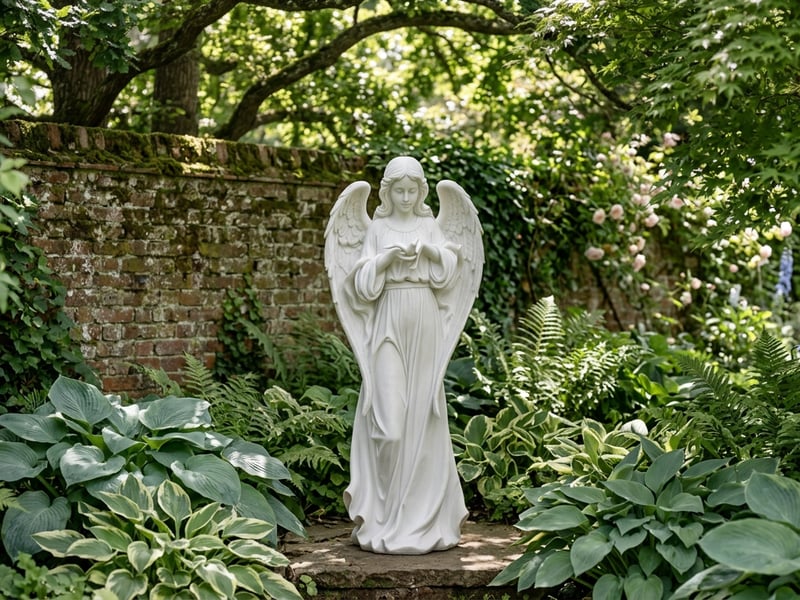
Shop the Angel of Peace Statue →
Matt's Tip: The Weight Test
When you are shopping for resin ornaments, pick them up. Seriously. A quality polyresin piece with crushed marble filler feels surprisingly heavy for its size. If a 30cm statue weighs less than a bag of sugar, walk away. That piece is mostly air and cheap resin. Our Enigma range pieces consistently surprise people with their weight because the stone content is high. Heavier resin always outlasts lighter resin. It is the simplest quality test there is.
How to clean resin garden ornaments
Clean resin ornaments with warm soapy water and a soft cloth. Avoid bleach, pressure washers, and abrasive scrubbing pads. These damage the surface coating that protects the colour beneath. For stubborn algae or moss, soak a cloth in a 50/50 mix of white vinegar and water, lay it over the affected area for 20 minutes, then wipe clean. Rinse thoroughly with plain water afterwards.
Clean once in spring and once in autumn. Spring cleaning removes winter grime before the growing season. Autumn cleaning prepares the surface for the UV-resistant spray application. Always let the ornament dry fully before spraying any protective coating. Damp surfaces prevent proper adhesion. Our cleaning guide covers methods for every ornament material.
The honest verdict: is resin worth it?
Quality polyresin with crushed marble is worth it for the right situation. Cheap resin is never worth it. If you need a lightweight ornament for a balcony, patio table, or sheltered courtyard, a piece from a quality range like Enigma will look beautiful for years with minimal care. If you want a permanent centrepiece for an open garden, cast stone is the better investment every time.
The sweet spot for resin is £100-£250. Below that, you are typically getting thin-walled, surface-painted pieces that will disappoint within two years. Above that, you are approaching cast stone prices where the longer lifespan makes stone the obvious choice. In that mid-range, quality polyresin delivers genuine value: fine detail, manageable weight, and years of enjoyment before any replacement is needed.
Further reading
Frequently asked questions
Are resin garden ornaments any good?
Quality polyresin ornaments with crushed marble filler are good and last 7-10 years. Cheap mass-produced resin from supermarkets and discount stores fades within one summer and lasts 3-5 years at most. The key difference is the stone-to-resin ratio: higher stone content means better UV resistance, more realistic weight, and a longer lifespan. Always check the weight before buying.
How long do resin garden ornaments last outdoors?
Resin garden ornaments last 3-10 years outdoors in UK conditions. Budget pieces fade and crack within 3-5 years. Quality polyresin blended with crushed marble or calcium carbonate lasts 7-10 years with annual UV spray protection. Placement matters enormously: sheltered, partially shaded positions extend the lifespan by 2-3 years compared to full south-facing exposure.
What is the difference between resin and polyresin?
Polyresin is resin blended with ground stone, marble dust, or calcium carbonate for added weight and durability. Pure resin is a lighter, cheaper plastic compound. Polyresin feels heavier, holds finer sculptural detail, and resists UV fading better than pure resin. Most quality garden ornaments labelled "resin" are actually polyresin. The distinction matters for durability.
Is resin or stone better for garden ornaments?
Stone is better for permanence, frost resistance, and long-term value. Cast stone lasts 30+ years, is frost-proof to -15°C, and costs £3-8/year over its lifespan. Resin is better for lightweight portability and capturing fine sculptural detail. If you need to lift and move the ornament regularly, or you rent your home, resin is the practical choice. For a permanent garden position, stone wins.
Can you leave resin ornaments outside in winter?
You can leave quality resin ornaments outside in mild UK winters above -10°C. Bring them indoors or cover them during prolonged hard frost below -10°C. Water trapped in micro-cracks expands when frozen and can split the surface. Elevate pieces off the ground on feet or a plinth to prevent standing water pooling at the base. Sheltered positions under eaves or against walls provide natural frost protection.
How do you stop resin ornaments fading?
Apply a UV-resistant spray coating (marine-grade spar urethane) once a year in September. This blocks ultraviolet radiation, which is the primary cause of colour fading in resin. Position pieces in partial shade rather than full sun. Clean with soapy water before spraying so the coating bonds properly. A single £10 can of spray protects several ornaments and adds 2-3 years to their outdoor life.
Browse our resin and stone ornament collections
We stock both materials so you can compare quality in person. Every ornament ships with free UK mainland delivery and arrives carefully packaged to prevent transit damage.
Matt W
Garden & Outdoor Specialist
Matt has spent over 16 years working hands-on with garden products across the UK. He tests materials in Staffordshire clay soil and hard water conditions, and writes from direct experience fitting, maintaining, and repairing everything from stone statues to cast iron furniture. His advice is based on what actually survives a British winter, not what looks good in a catalogue.