
Best Bird Baths UK 2026: Stone, Metal & Ceramic Compared
Written by Matt W on 9th Mar 2026.
The best bird baths for UK gardens in 2026 are cast stone pedestal designs priced from £159 to £475. We stock 62 bird baths across five specialist suppliers. Stone keeps water 3-5°C cooler than resin, slowing algae growth. The RSPB recommends 2.5-10cm depth with shallow sloping sides and rough surfaces for grip. BBC Gardeners' World tops out at £190 — our specialist range starts where the high street stops.
Matt W | Garden Ornament Specialist
Key Takeaways
- ✔ 62 bird baths in stock from £159 to £475, covering stone, reconstituted stone, granite, and metal
- ✔ Best value: Georgian Stone Birdbath at £159 — frost-tested, classic pedestal design, our best-selling bath
- ✔ Stone keeps water 3-5°C cooler than resin, which slows algae and keeps birds coming back
- ✔ RSPB guidance: 2.5cm at edges, 10cm max at centre, sloping sides, rough-textured bowl surface
- ✔ Modern options from £239 in the Melmar Dinova range — white and grey finishes for contemporary gardens
- ✔ Every bath in our range is frost-proof to -20°C and suitable for year-round outdoor use in all UK regions
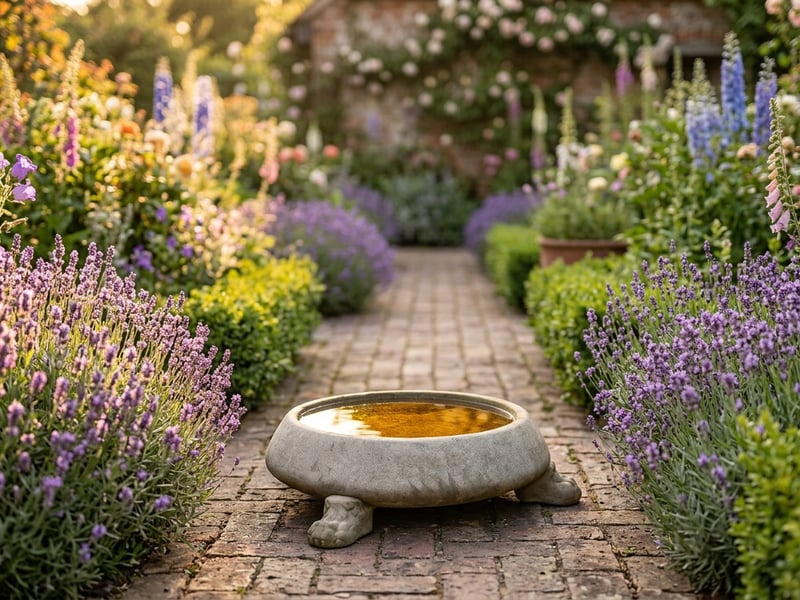
Shop the Georgian Stone Birdbath →
The RSPB recommends bird baths as one of the single most effective ways to attract wildlife to any garden. A water source brings species that feeders miss entirely.
Matt's experience with bird baths
I have sold bird baths for over a decade and owned five different ones myself. The cheap resin bath I started with lasted two winters before it cracked and faded to a chalky grey. The cast stone Georgian I replaced it with is still going strong seven years later. Birds use it every single day. That taught me a lesson I pass on to every customer: buy stone, buy once. The extra cost pays for itself in the first three years. I now keep two baths in my garden. A pedestal for finches and tits, and a ground-level dish for blackbirds and thrushes. Between them, I count 14 species visiting across the year.
Why stone is the best material for a UK bird bath
Cast stone outperforms every other bird bath material across durability, temperature, and bird safety. A reconstituted stone bath weighs 15-40kg, which gives it stability that resin and plastic cannot match. Wind, foxes, and clumsy wood pigeons will not topple it. The rough surface texture gives birds secure footing when they wade in to bathe.
Temperature matters more than most people realise. Stone keeps water 3-5°C cooler than resin or plastic in direct sun. Cooler water slows algae growth and stays fresher between refills. That means less scrubbing and more birds. Stone develops a natural patina of moss and lichen within 12-18 months. It makes the bath look established rather than new.
Our stone baths are frost-tested to -20°C. They survive UK winters without cracking, chipping, or spalling. For a deeper dive into how materials perform outdoors, read our guide to garden ornament materials.
What depth and shape do UK garden birds need?
The RSPB recommends a water depth of 2.5cm at the edges sloping to a maximum of 10cm at the centre. Most common UK garden birds — robins, blue tits, house sparrows — bathe comfortably at 5-7cm depth. Anything deeper than 10cm risks drowning small species like wrens and goldcrests.
Sloping sides are essential. Birds need to wade in gradually, not jump into deep water. A bath with vertical walls forces birds to perch on the rim. Leaning down to drink makes them vulnerable to cats. The bowl surface must be rough or textured. Glazed ceramic and smooth resin cause birds to slip and panic. Every stone bath in our range has a naturally rough finish that gives secure footing.
If your existing bath is too deep, add a few flat stones or pebbles to create shallow wading zones. This simple fix can turn an unused bath into a daily visitor magnet.
Best stone bird baths compared
We tested six bird baths from our range across bowl depth, frost resistance, weight, and bird appeal. Each bath has been displayed outdoors through at least one UK winter. The table below compares the key specifications that matter for bird safety and garden performance.
| Bird Bath | Material | Height | Bowl Depth | Price | Best For |
|---|---|---|---|---|---|
| Georgian Stone Birdbath | Lucas Stone | 680mm | 70mm | £159 | Best value classic |
| Flower Stone Birdbath | Lucas Stone | 750mm | 80mm | £375 | Most ornate traditional |
| Contemporary Bird Bath in White | Enigma resin-stone | 620mm | 60mm | £239 | Modern gardens |
| Nuthatch Birdbath in Stone | Melmar reconstituted | 700mm | 75mm | £209 | Wildlife detail |
| Mermaid Bird Bath ★ | Metal | 850mm | 65mm | £475 | Statement centrepiece |
| Melmar Dinova range | Modern reconstituted | 580-650mm | 55-70mm | £259-£275 | Contemporary styling |
Every bath in this comparison meets RSPB depth guidelines. Bowl depths of 55-80mm sit within the safe range for all common UK garden bird species.
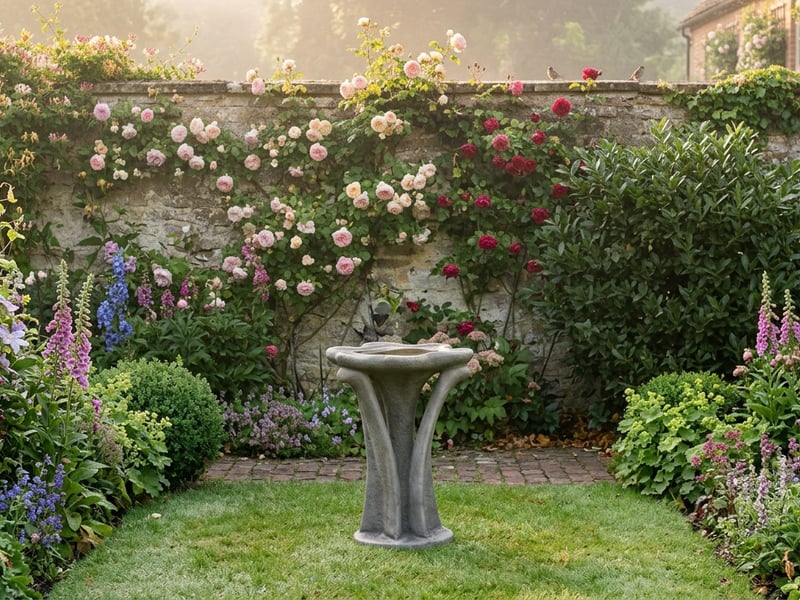
Shop the Flower Stone Birdbath →
Best bird bath for traditional gardens
The Flower Stone Birdbath from Lucas Stone is the most detailed traditional bath in our range at £375. Hand-finished in Derbyshire, it features carved floral relief around the pedestal column and a wide, shallow bowl. The stone develops moss and lichen within the first year outdoors. That aged appearance suits cottage, country, and period gardens.
At 750mm tall with an 80mm bowl depth, it sits within the ideal height range for pedestal baths. The wide rim gives birds a perching spot before they hop in. Lucas Stone use a proprietary blend frost-tested to -20°C. It will not crack or spall through UK winters. Pair it with a carved stone pedestal or climbing rose for a true cottage feel.
Best bird bath for modern gardens
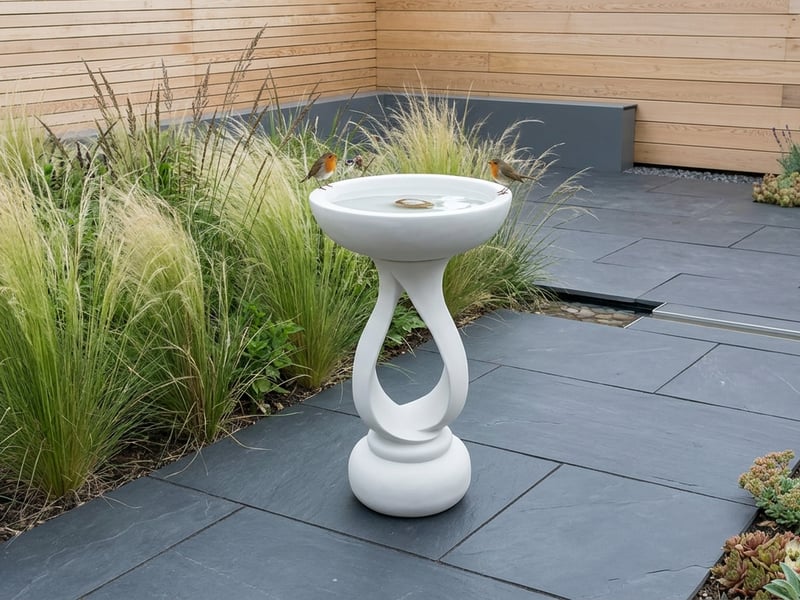
Shop the Contemporary Bird Bath in White →
The Enigma Contemporary Bird Bath in White suits minimalist, urban, and modern garden designs. Its clean geometric lines and white finish contrast with planting in a way that draws the eye without fussiness. At £239, it sits in the mid-range and offers something genuinely different from the traditional pedestal style.
The Melmar Dinova range (8 designs, £259-£275) offers even more modern options in white and grey. These are reconstituted stone with a smooth exterior but retain the textured bowl surface that birds need for grip. If your garden leans toward slate, gravel, and architectural planting, these are the baths to consider. Browse our full stone bird bath collection to see the complete Dinova range.
Best bird bath for wildlife lovers
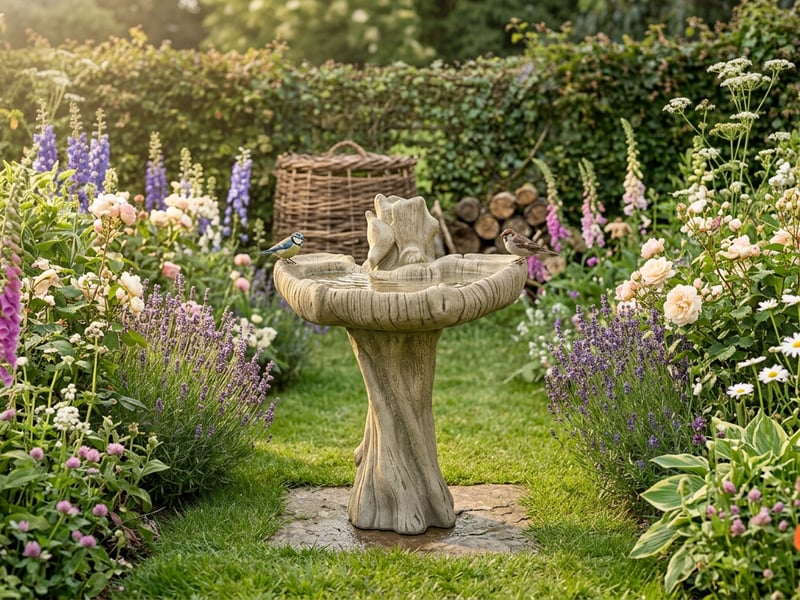
Shop the Nuthatch Birdbath in Stone →
The Nuthatch Birdbath in Stone features a sculpted nuthatch perched on the bowl rim, hand-finished by Melmar. At £209, it combines function with ornamental wildlife detail. The nuthatch carving is accurate enough that birdwatchers notice it. Real birds seem unbothered by the stone companion and use the bath freely.
Melmar produce 26 bird bath designs from £180 to £249 in reconstituted stone. Each bath is cast in the UK and frost-proofed for outdoor use year-round. The Nuthatch sits at 700mm with a 75mm bowl depth, which is spot on for everything from wrens to blackbirds. For more ideas on using wildlife sculptures in your garden, read our article on animal garden ornaments for UK gardens.
Where should you position a bird bath?
Position your bird bath 2-3 metres from a tree or shrub that provides escape cover. Birds need a quick flight path to safety if a cat or sparrowhawk appears. But keep the bath at least 1.5 metres from dense undergrowth at ground level, because cats use thick shrubs as ambush points.
Partial shade is ideal. Full sun heats the water, accelerates algae growth, and causes faster evaporation. Full shade keeps the water too cold in spring and autumn, which deters bathing. A spot that gets morning sun and afternoon shade works best in most UK gardens.
Place the bath on a solid surface. Heavy stone baths sink into bare soil and tilt over time. A paving slab or compacted gravel base keeps it level for years. Keep the bath 3-4 metres from any bird feeder to stop seed husks and droppings contaminating the water.
|
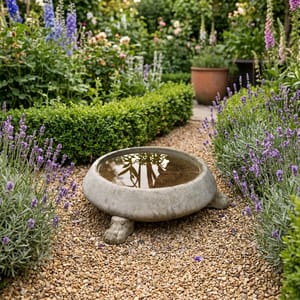
Matt's Pick for Best Value Bird BathBest For: First-time bird bath buyers who want a classic pedestal design without overspending Why I Recommend It: I have one in my own garden. Seven years, zero cracks, daily bird visits. At £159 it is the cheapest stone bath we sell and genuinely the one I recommend most. The bowl depth and surface texture are exactly what birds need. Price: £159 |
How to care for a stone bird bath year-round
Rinse your bird bath daily and do a full scrub with dilute wildlife-safe disinfectant once a week. The RSPB warns that dirty bird baths spread avian diseases including trichomoniasis and salmonella between visiting birds. Use a stiff brush and clean water for daily rinses. Once a week, empty the bath fully and scrub with a 1:9 bleach-to-water solution, then rinse thoroughly before refilling.
In summer, change the water every 1-2 days. Standing water breeds mosquito larvae within 72 hours. In winter, pour hot (not boiling) tap water each morning to melt overnight ice. Float a tennis ball on the surface — wind movement delays freezing. Never add antifreeze, salt, or glycerine. The RSPB and RSPCA confirm these are toxic to birds.
Line stone baths with a polythene sheet in late autumn. If ice does form, the sheet lifts out cleanly without scraping the bowl.
Do stone bird baths really last longer?
A quality cast stone bird bath lasts 30+ years with minimal maintenance. Our suppliers — Lucas Stone, Melmar, Enigma, and Eastern Connections — all use frost-tested blends designed for permanent outdoor display. Resin baths typically fade and crack within 3-5 years. Cheap ceramic shatters in the first hard frost.
Stone ages beautifully. Within 12-18 months outdoors, the surface develops moss, lichen, and a natural weathered patina. This is the opposite of deterioration — it makes the bath look more established. Many customers tell us their stone bath looks better at five years old than it did when new. Browse our full collection of garden ornaments to see how stone weathers across different product types.
Matt's Tip: The two-bath trick
Put out two baths at different heights. A pedestal bath at 600-900mm for finches, tits, and sparrows. A ground-level dish for blackbirds, thrushes, and dunnocks. These species rarely share a bath because they feed and drink at different levels. Two baths at £159 and £180 costs less than one premium bath and attracts twice the species. I have run this setup for four years. It is the single best thing I have done for garden wildlife.
How our range compares to the high street
BBC Gardeners' World's 2025 bird bath roundup tops out at £189.99. That puts the high-street ceiling below our entry point of £159 for cast stone. We are not competing with garden centres selling £30 resin baths. We stock specialist-grade stone, granite, and metal baths that are built to last decades, not seasons.
Our suppliers are UK-based specialists. Lucas Stone hand-finish in Derbyshire. Melmar cast in-house. Eastern Connections source natural granite with individual stone grain variation. The result is a range that sits above mass-market retail in quality, durability, and design detail. When you buy a bird bath from us, you are buying a permanent garden feature.
Our guide to why every garden needs a bird bath covers the practical and wildlife benefits in full.
Further reading
Frequently asked questions
What is the best material for a bird bath in the UK?
Cast stone is the best all-round material for UK bird baths. It keeps water 3-5°C cooler than resin in summer, slowing algae growth. The rough surface gives birds secure footing. At 15-40kg for pedestal designs, stone stays put in wind and resists toppling. It lasts 30+ years, is frost-proof to -20°C, and develops a natural moss patina over time.
How deep should a bird bath be for UK garden birds?
Water depth should be 2.5cm at the edges sloping to a maximum of 10cm at the centre. Most common UK species — robins, blue tits, sparrows — bathe at 5-7cm depth. Anything deeper than 10cm risks drowning small species like wrens and goldcrests. Sloping sides are essential so birds can wade in gradually. If your bath is uniformly deep, add flat stones or pebbles to create shallow wading zones.
Where should I position a stone bird bath?
Place it 2-3 metres from a tree or shrub that provides escape cover for birds. Keep it at least 1.5 metres from dense undergrowth where cats could hide. Partial shade is ideal because full sun overheats water and accelerates algae. Position the bath 3-4 metres from any bird feeder to prevent seed husks and droppings contaminating the water. Set it on a paving slab or compacted base. Heavy stone baths sink into bare soil and tilt over time.
Do stone bird baths crack in frost?
Quality cast stone bird baths are frost-proof to -20°C and do not crack in normal UK winters. Our suppliers use frost-tested blends designed for permanent outdoor display. The risk comes from water freezing and expanding inside the bowl. Empty the bath before a hard frost, or float a tennis ball to absorb expansion pressure. Cheap ceramic and thin concrete are far more vulnerable to freeze-thaw cycles.
How do I stop algae growing in my bird bath?
Change the water every 2-3 days and position the bath in partial shade. Algae thrives in warm, still, sunlit water. Stone baths grow algae more slowly than resin because the water stays cooler. Scrub the bowl weekly with a stiff brush and clean water. A solar-powered fountain attachment keeps the water moving and further inhibits algae growth. Avoid chemical cleaners or copper coins — both can harm birds that drink from the bath.
Do bird baths attract rats or mosquitoes?
A pedestal bird bath at 600-900mm height does not attract rats. Ground-level baths can draw rodents, especially when placed near feeders with spilled seed. Mosquitoes lay eggs in standing water that remains undisturbed for 72+ hours. Change the water every 2-3 days and the larvae cannot complete their cycle. Adding a solar fountain keeps the surface moving, which deters egg-laying entirely. The bath itself is not the problem — stale water and ground-level food spillage are.
Find your bird bath
Browse our full collection of 62 stone, granite, and metal bird baths. Free UK delivery. Every bath is frost-proof for year-round outdoor display.
Browse Bird Bath CollectionMatt W
Garden & Outdoor Specialist
Matt has spent over 16 years working hands-on with garden products across the UK. He tests materials in Staffordshire clay soil and hard water conditions, and writes from direct experience fitting, maintaining, and repairing everything from stone statues to cast iron furniture. His advice is based on what actually survives a British winter, not what looks good in a catalogue.