
How to Weatherproof Garden Statues and Ornaments: UK Frost Protection Guide
Written by Matt W on 3rd Mar 2026.
Cast stone garden ornaments withstand UK winters down to -20°C without treatment, but resin cracks below -5°C and untreated concrete spalls after 3-4 freeze-thaw cycles. A single coat of silane/siloxane sealant applied in September costs £8-15 per ornament and prevents 90% of frost damage. This guide covers weatherproofing methods for stone, metal, resin, and concrete ornaments based on 12 years of selling and handling these products across UK gardens.
Key Takeaways
- ✓ Cast stone is frost-proof to -20°C and needs no treatment to survive UK winters
- ✓ Apply silane/siloxane breathable sealant by late September to protect vulnerable materials
- ✓ Empty bird baths and fountain basins before the first frost -- standing water is the #1 cause of cracking
- ✓ Elevate all ornaments 10mm off the ground using pot feet or slate to prevent moisture wicking
- ✓ Never use plastic covers -- they trap condensation and accelerate frost damage
- ✓ A 2mm crack in September becomes a 20mm split by February if left untreated
Installer's Note
We have been selling and dispatching stone, metal, and resin garden ornaments from our warehouse since 2012. We see the returns. We see the photos customers send of cracked bird baths and spalled concrete gnomes every March. Almost every case is the same story: standing water left in a bowl, or a cheap concrete piece placed directly on clay soil with no base. The ornament itself is rarely the problem. Preparation and placement are what save your garden pieces through winter.
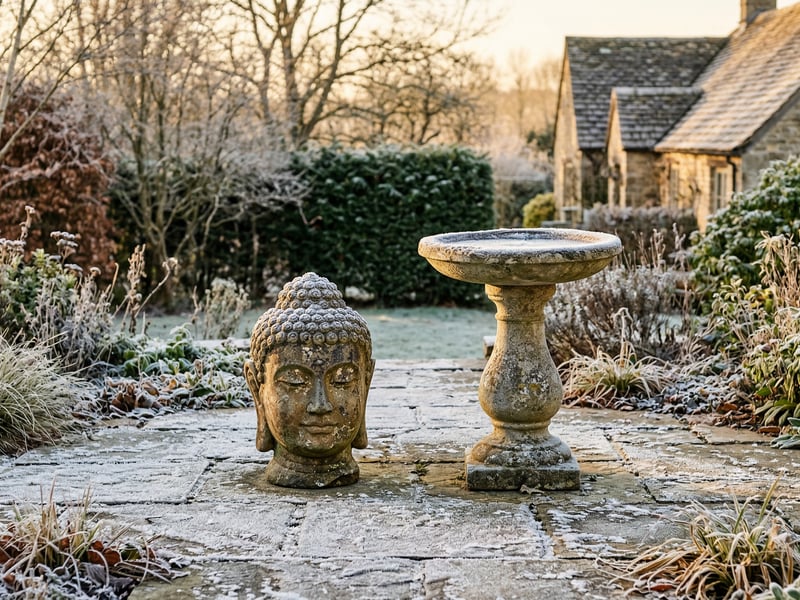
Browse our Stone Garden Ornaments →
How frost damages garden ornaments
Frost does not damage ornaments directly. Water does. When rainwater soaks into porous materials like concrete or low-grade stone, it expands by 9% as it freezes. That expansion creates internal pressure that cracks the material from the inside out. One freeze-thaw cycle rarely causes visible damage. But a typical UK winter delivers 30-50 freeze-thaw cycles in the Midlands and 60-80 in Scotland. Each cycle widens existing micro-cracks until the surface spalls or the piece splits.
Dense materials resist this because water cannot penetrate deeply enough to cause damage. Cast stone at 2,200 kg/m3 is 15% denser than standard concrete, which is why quality cast stone pieces survive decades outdoors while cheap concrete ornaments deteriorate within 3-5 years.
Which materials handle UK frost and which do not
Not all garden ornament materials are equal in winter. This table shows how each material performs in UK conditions, what protection it needs, and how long it lasts.
| Material | Frost Rating | Lifespan | Sealant Needed? | Winter Action |
|---|---|---|---|---|
| Natural stone (granite) | -25°C+ | 100+ years | No | None required |
| Cast stone (reconstituted) | -15°C to -20°C | 30-50 years | Optional | Empty water features only |
| Natural stone (limestone/sandstone) | -10°C to -15°C | 50+ years | Recommended | Seal annually, empty basins |
| Metal (iron/steel) | No frost limit | 50-100 years | Rust treatment | Wax coat, inspect joints |
| Metal (aluminium/bronze) | No frost limit | 100+ years | No | None required |
| Concrete | -5°C to -10°C | 10-20 years | Yes | Seal, elevate, cover if severe |
| Resin (polystone) | -5°C | 5-10 years | UV coating | Move to shelter or cover |
| Marble | -15°C | 100+ years | Recommended | Cover in prolonged frost |
Bottom line: if you buy stone garden ornaments made from cast reconstituted limestone, they are built for UK winters. Our suppliers frost-test every batch to -20°C. The 5-Year Frost Guarantee exists because these pieces handle British weather without intervention.
How to weatherproof stone garden ornaments
Quality cast stone ornaments do not need weatherproofing to survive frost. They are dense enough to prevent water penetration at the levels that cause freeze-thaw damage. However, applying a breathable sealant extends their life further, reduces algae growth, and keeps them looking cleaner for longer.
Step-by-step: sealing a stone garden ornament
- Clean the surface. Brush off loose debris with a soft-bristle brush. Wash with warm water and a drop of pH-neutral washing-up liquid. Scrub stubborn algae with a nylon brush. Never use a pressure washer -- it blasts the surface detail off cast stone.
- Let it dry completely. The stone must be bone dry for sealant to absorb properly. Allow 48 hours of dry weather after cleaning. Do not seal if rain is forecast within 24 hours.
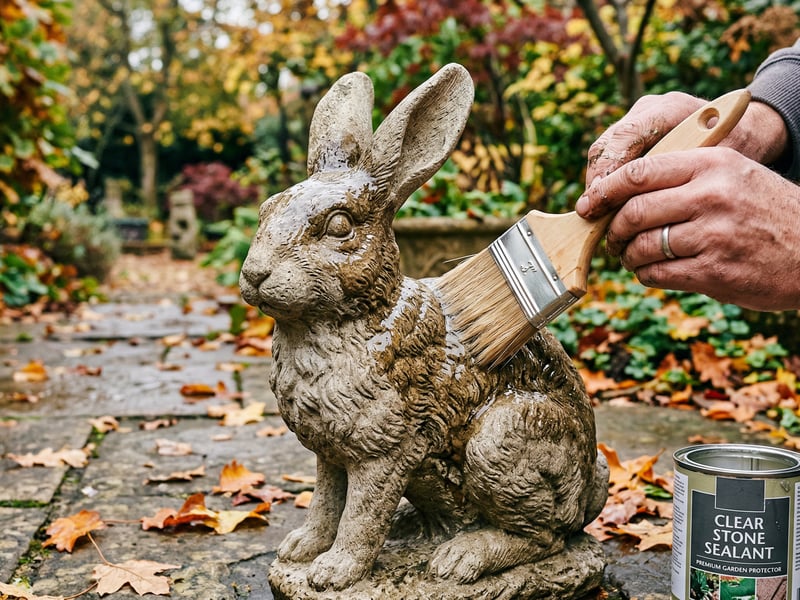
- Choose your sealant. Use a silane/siloxane-based breathable sealer. These let moisture escape from the stone while blocking water from entering. Never use varnish, yacht lacquer, or non-breathable coatings -- they trap moisture inside and make frost damage worse.
- Apply with a wide brush. Work the sealant into all surfaces, crevices, and detailed areas. One generous coat is usually sufficient. Coverage: approximately 1 litre per 4-5 square metres of stone surface.
- Allow 4-6 hours to cure. Do not expose to rain during curing. The surface should feel dry but not tacky when ready.
- Repeat annually. One coat in late September protects through winter. Reapply each autumn.
Shop the Stone Buddha Head Statue →
Matt's Tip: Timing is Everything
Apply sealant in late September in England and Wales, or early September if you are in Scotland or northern England. You need a dry spell of at least 3 consecutive days -- warm enough for the sealant to absorb (above 10°C) but before the first hard frost. I have seen customers seal ornaments in November after the frost has already started, and the sealant just sits on the surface without penetrating. By then, the micro-cracks have already absorbed water. Get it done while the stone is still warm from summer.
How to weatherproof metal garden ornaments
Metal garden ornaments do not crack from frost. Their enemy is moisture-driven corrosion. Iron and steel rust, bronze develops verdigris, and aluminium pits in coastal salt air. Each metal needs different treatment.
Iron and steel ornaments
Inspect every joint and weld point in autumn. Rust starts at joints where paint or coating has worn thin. Sand any rust spots back to clean metal with 120-grit sandpaper. Apply a rust-converting primer, then two coats of exterior metal paint. For ongoing protection, apply a thin coat of outdoor wax (Renaissance Wax or clear paste wax) to the entire surface once a year. This creates a moisture barrier without changing the appearance.
If you have metal garden ornaments with an intentional rust finish, the patina itself acts as protection. Wipe with an oily rag (linseed oil works well) once in autumn to slow further oxidation without removing the character.
Bronze and aluminium ornaments
These metals are naturally corrosion-resistant. Bronze develops a green verdigris patina that actually protects the metal beneath. Aluminium forms an invisible oxide layer. Neither needs coating. Simply rinse with fresh water after coastal storms (salt accelerates pitting) and wipe with a dry cloth if you want to maintain a polished finish.
How to weatherproof resin garden ornaments
Resin is the most vulnerable material in winter. Polystone and fibreglass ornaments are lightweight and affordable, but they absorb small amounts of moisture through surface micro-pores. Below -5°C, that trapped water freezes and causes hairline cracks that worsen each winter. UV exposure also degrades resin, making it brittle and more susceptible to frost.
The best protection for resin ornaments is prevention. Apply a UV-resistant clear spray coating (marine-grade acrylic spray) before each winter. Move lightweight pieces to a sheltered spot near a house wall during prolonged frost. If you cannot move them, cover with breathable fabric -- never plastic sheeting. We wrote a full stone vs resin comparison if you want the detailed breakdown.
How to weatherproof concrete garden ornaments
Concrete is more porous than cast stone and sits in the danger zone for UK frost. Standard concrete ornaments are rated to roughly -5°C to -10°C, which means they survive mild southern winters but struggle in exposed gardens, the Midlands, and anywhere north.
Seal concrete annually with a silane/siloxane breathable sealer -- the same type used for stone. Apply two coats to concrete rather than one, as the higher porosity needs more product to fill the pores. Elevate concrete ornaments off the ground using pot feet, slate pieces, or bricks to prevent ground water wicking upward through the base. Fill any visible cracks with exterior-grade concrete filler before autumn -- a 2mm crack in September becomes a 20mm split by February.
Seasonal care calendar for UK gardens
Knowing when to act is as important as knowing what to do. This calendar covers all materials.
| Season | When | What To Do |
|---|---|---|
| Early autumn | September | Clean all ornaments. Apply sealant to stone and concrete. Wax metal pieces. Spray resin with UV coating. Repair any cracks. |
| Late autumn | October-November | Empty bird baths and fountain basins. Disconnect and drain fountain pumps. Move lightweight resin pieces to shelter. Cover marble with breathable fabric. |
| Winter | December-February | Keep basins empty. Brush off heavy snow gently with a soft broom. Never chip ice off ornaments -- let it thaw naturally. Check bases after prolonged frost for heave movement. |
| Early spring | March-April | Remove winter covers. Inspect for new cracks or frost damage. Clean winter grime with water and soft brush. Relevel any pieces shifted by frost heave. Refill bird baths and restart fountains. |
| Summer | May-August | Remove bird droppings promptly (acid etches stone within hours). Trim climbing plants 300mm clear of ornaments. Top up water features in dry spells. Best time to position new ornaments. |
Regional UK frost guide
UK weather varies hugely by region. A south Devon garden and a Scottish Highlands garden face very different winters. Here is how to adjust your care routine based on where you live.
| Region | Average Frost Days/Year | Typical Lowest Temp | Main Risk | Key Action |
|---|---|---|---|---|
| Scotland & N. England | 60-80 | -10°C to -15°C | Prolonged freeze-thaw | Seal by early September. Move resin indoors Nov-Mar. |
| Midlands & Wales | 30-50 | -5°C to -10°C | Clay soil heave | Seal by late September. Ensure solid bases. |
| South & South East | 15-30 | -2°C to -5°C | Rainfall & algae | Seal by October. Focus on drainage. |
| Coastal areas | 10-20 | -2°C to -5°C | Salt spray corrosion | Rinse after storms. Granite best for coast. |
| Exposed & hilltop | 40-60 | -8°C to -12°C | Wind + freeze | Anchor tall pieces. Weight is your friend. |
Five mistakes that destroy garden ornaments in winter
- Leaving water in bird baths and fountains. This is the single most common cause of cracked ornaments we see. Water expands 9% when it freezes. A full bird bath bowl cracks from the inside within one hard frost. Empty every basin before freezing weather arrives.
- Covering with plastic sheeting. Plastic traps condensation against the surface. That trapped moisture freezes at night, creating the exact freeze-thaw cycle you are trying to prevent. Use breathable horticultural fleece or purpose-made fabric covers instead.
- Placing directly on clay soil. Clay heaves when it freezes, pushing upward with enormous force. An ornament on bare clay soil shifts, tilts, and cracks at the base within 2-3 winters. Always use a solid base -- paving slab or compacted aggregate.
- Chipping ice off ornaments. When frost forms on stone, do not chip or scrape it off. The ice bonds to the stone surface, and forcing it away pulls stone material with it. Let ice melt naturally.
- Using non-breathable sealants. Yacht varnish, polyurethane, and gloss coatings trap moisture inside the stone. The sealed surface looks great in October. By March, the trapped moisture has frozen and expanded, and the coating peels away taking the stone surface with it. Only use silane/siloxane breathable sealers.
How much does annual weatherproofing cost?
It costs less than you think. Here is what you will spend maintaining different materials through one winter.
| Item | Approx Cost | Coverage |
|---|---|---|
| Silane/siloxane stone sealant (1 litre) | £8-15 | 4-5 ornaments |
| Exterior metal wax (200ml tin) | £10-15 | 8-10 metal pieces |
| UV-resistant acrylic spray (400ml) | £6-10 | 3-4 resin ornaments |
| Breathable fabric cover (large) | £8-20 | Reusable for 3-5 years |
| Concrete crack filler (tube) | £5-8 | 10+ repairs |
| Soft-bristle brush set | £5-10 | Lasts years |
Total annual cost for a garden with 5-6 ornaments across different materials: roughly £25-40. That is less than the price of replacing a single cracked concrete piece.
|
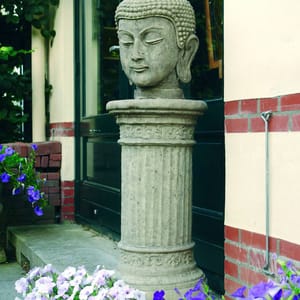
Matt's Pick for Frost-Proof Garden OrnamentsBest For: Year-round outdoor display with zero winter maintenance Why I Recommend It: Lucas Stone cast reconstituted limestone, frost-tested to -20°C. I have seen these pieces in gardens for 10+ years with nothing more than an annual brush-down. The patina that develops over the first winter actually improves the look. Price: £225 |
When to call a professional
Most of this is straightforward. Any gardener can do it. But some situations need a professional. If a crack is wider than 50mm, if a piece has split into separate parts, or if the ornament is valued over £200 and has structural damage, contact a stone restoration specialist. Professional stone consolidation treatments use products like Conservare OH (ethyl silicate) that penetrate deep into the stone structure and strengthen it from within. These cost £50-150 per treatment but can save a valuable piece from total loss.
For more on day-to-day maintenance outside of winter preparation, our stone garden ornament care guide covers cleaning methods, stain removal, and year-round upkeep in detail. Browse our full collection of garden ornaments for more ideas.
Frequently asked questions
Are stone garden ornaments frost proof?
Quality cast stone ornaments are frost-proof to -15°C to -20°C and survive UK winters without any treatment. Cast reconstituted limestone is 15% denser than standard concrete, which prevents water from penetrating deep enough to cause freeze-thaw damage. Look for a 5-Year Frost Guarantee when buying. Natural granite is even more frost-resistant, handling temperatures below -25°C. The only stone pieces that need winter protection are water features with standing water -- always empty basins before freezing weather.
Should you put garden ornaments away in winter?
Stone and metal ornaments should stay outside all year -- they are designed for permanent outdoor display. Moving heavy stone pieces risks dropping and damage. Resin ornaments under 10kg are worth moving to a sheltered spot (against a house wall, under a porch) during prolonged frost below -5°C. Concrete ornaments in exposed northern gardens benefit from covering with breathable fabric during the coldest weeks. Never store stone indoors over winter -- the sudden temperature change when you bring them back out can cause thermal shock.
What is the best sealant for garden ornaments?
A silane/siloxane-based breathable stone sealer is the professional choice for all stone and concrete ornaments. These sealants let moisture escape from inside the stone while blocking rainwater from penetrating. They are invisible when dry and do not change the appearance of the stone. Apply one coat annually in September. Never use varnish, polyurethane, or yacht lacquer -- non-breathable coatings trap moisture and accelerate frost damage rather than preventing it.
How do you stop concrete garden ornaments cracking in frost?
Seal concrete with two coats of silane/siloxane sealer in September and elevate the base 10mm off the ground. Concrete is more porous than cast stone, so it absorbs more water and is more vulnerable to freeze-thaw expansion. Filling existing cracks with exterior concrete filler before winter is essential -- any unfilled crack will widen with each frost cycle. Placing concrete ornaments on pot feet or slate pieces prevents ground moisture wicking upward through the base, which is where most concrete cracking begins.
Can you leave resin garden ornaments outside in winter?
Resin ornaments survive mild UK winters (above -5°C) but should be sheltered during prolonged hard frost. Polystone and fibreglass absorb small amounts of moisture through surface micro-pores. Below -5°C, that moisture freezes and causes hairline cracks. Apply a UV-resistant acrylic spray before winter to reduce moisture absorption. In Scotland and northern England, move lightweight resin pieces to a garage, shed, or covered porch between November and March.
How do you clean garden ornaments before winter?
Use warm water, a drop of pH-neutral washing-up liquid, and a soft-bristle brush. Scrub gently to remove summer dirt, bird droppings, and algae. For stubborn green algae on stone, use a 1:10 bleach solution on grey stone only (never on coloured or painted surfaces). Rinse thoroughly and allow 48 hours of dry weather before applying sealant. Never use a pressure washer on cast stone or detailed ornaments -- the jet strips surface detail and forces water deep into the material.
How do you protect metal garden sculptures from rust?
Sand any rust spots to clean metal, apply rust-converting primer, then two coats of exterior metal paint. For annual maintenance, a thin coat of clear paste wax creates an invisible moisture barrier. Bronze and aluminium do not rust and need no coating -- bronze naturally develops a protective green verdigris patina. Iron and steel are the metals that need attention, particularly at joints and weld points where coatings wear thin first. Our sustainable ornaments guide covers why stone and metal outlast plastic alternatives by decades.
Further reading
Matt W
Garden & Outdoor Specialist
Matt has spent over 16 years working hands-on with garden products across the UK. He tests materials in Staffordshire clay soil and hard water conditions, and writes from direct experience fitting, maintaining, and repairing everything from stone statues to cast iron furniture. His advice is based on what actually survives a British winter, not what looks good in a catalogue.