
About Our Garden Water Features
We stock over 150 garden water features across 10 categories, priced from £89 to over £925. The collection covers solar-powered fountains that cost nothing to run, hand-carved stone features in basalt, granite and sandstone, stainless steel and corten steel pieces, and self-contained units that need no plumbing. Every feature ships with a recirculating pump, 2-year warranty and free UK delivery.
Materials are chosen for the British climate. Basalt and granite withstand freeze-thaw cycles to -15°C without cracking. Stainless steel resists corrosion in wet conditions. GRC (Glassfibre Reinforced Concrete) combines the look of natural stone with lighter weight for patios and balconies. Whether you want a quiet bubbling sphere for a courtyard or a 1.5m cascading waterfall as a garden centrepiece, every unit is self-contained and ready to run.
Why We Chose This Range
"We've been selling water features since 2003, and we've seen where budget models fail. The cheap imports use thin-shell plastic housings and undersized pumps that burn out within a season. We chose our current ranges from Lucas Stone, Eastern Connections, Easy Fountain and Altico because they use thick-walled casting, marine-grade steel, and properly rated recirculating pumps. In a market where you can buy a £30 resin fountain from a supermarket, we'd rather stock 150 features that actually last. Every piece has been checked for material quality, pump reliability, and how it handles a British winter." — Matt W, Garden Ornaments
Types of Garden Water Features We Stock
Stone Water Features
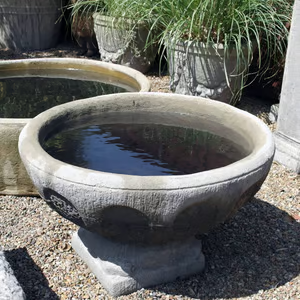
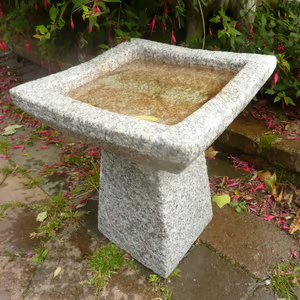
Hand-carved from basalt, granite, rainbow sandstone and limestone. These are the heaviest, most durable pieces in the range. The Angels Wings in Rainbow Sandstone at £750 and Babbling Urn at £775 are statement pieces. Natural stone develops character with weathering and needs no annual treatment. Browse our full stone water features collection.
Solar Water Features
Zero running costs. Solar panels with battery backup keep water flowing through cloudy spells and into the evening. Prices from £145 for the Cubed Solar to £329 for the Forest Springs. No mains connection needed — just position in a sunny spot. Browse our full solar water features collection.
Self-Contained & Cascading
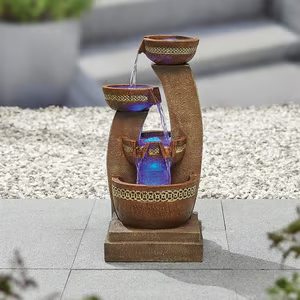
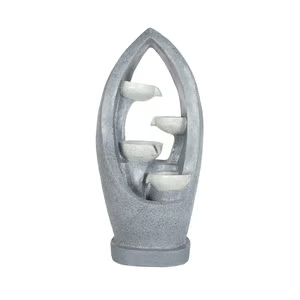
No plumbing, no reservoir to dig. Fill them up, plug in and they run. Cascading features send water down tiered bowls or rock formations. The Como Falls at £559 and Cumbrian Stream at £449 are bestsellers. Browse our full self-contained collection.
Steel & Modern Features
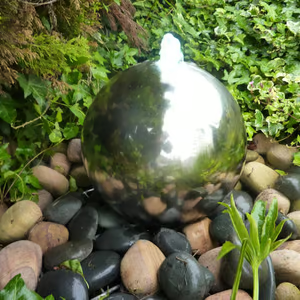
Stainless steel spheres and corten steel pieces for contemporary gardens. The 80cm Corten Steel Sphere at £925 develops a rich rust patina that looks better each year. Modern features include lit channels and glass panels. Browse our full steel water features collection.
Garden Water Features Compared
This table compares our most popular water features by type, material, dimensions and price to help you choose the right piece.
| Water Feature | Type | Material | Height | Power | Price |
|---|---|---|---|---|---|
| Cumbrian Stream Fountain Matt's Pick | Cascading | Resin/Stone Effect | 120cm | Mains | £449 |
| Corten Steel Sphere 80cm | Sphere | Corten Steel | 80cm | Mains | £925 |
| Babbling Urn (Rainbow Sandstone) | Urn/Vase | Natural Sandstone | 75cm | Mains | £775 |
| Angels Wings (Rainbow Stone) | Sculptural | Natural Sandstone | 71cm | Mains | £750 |
| Como Falls | Cascading | Resin/Stone Effect | 95cm | Mains | £559 |
| Basalt Statement Column | Column | Natural Basalt | 90cm | Mains | £679 |
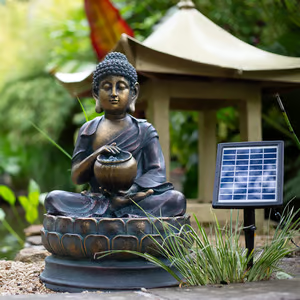
| Calming Buddha Solar | Buddha | Resin | 62cm | Solar | £229 |
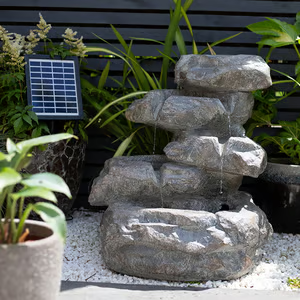
| Forest Springs Solar | Cascading | Resin/Stone Effect | 68cm | Solar | £329 |
|
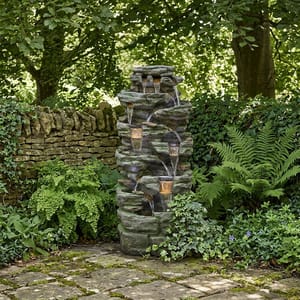
Matt's Pick for an All-Round Water FeatureBest For: Medium to large gardens that need a natural-looking cascading focal point Why I Recommend It: At 120cm tall with water flowing over realistic rock formations, it sounds like a genuine stream. The pump is quiet enough that you hear the water, not the motor. Self-contained, so there's no reservoir to dig and no plumbing. I've had one in my own garden for three years and it still looks fresh. Price: £449 |
Matt's Installation Tip
Place mains-powered water features within reach of an outdoor IP-rated socket. If you don't have one, get an electrician to install a weatherproof socket on an RCD-protected circuit before your feature arrives. For stone features over 50kg, lay a concrete pad or compacted gravel base first — settling on soft ground causes the feature to tilt and the pump to run dry on one side. Top up the water every 3-5 days in summer and disconnect the pump before the first hard frost.
How to Choose the Right Water Feature
The right water feature depends on your garden size, power supply and how much maintenance you want. Our water feature buying guide covers running costs, pump sizing and placement in detail.
Power Options
- Mains-powered: Strongest flow, runs day and night. Needs an outdoor IP-rated socket on an RCD circuit. Best for large features and stone pieces.
- Solar-powered: Zero running costs. Battery backup keeps water flowing through cloud and into the evening. Best for sunny positions away from mains sockets.
Material Guide
- Natural stone (basalt, granite, sandstone): Heaviest, most durable, develops character with weathering. Best for permanent installations.
- Stainless/corten steel: Contemporary look, corrosion-resistant. Corten develops a rich rust patina over 6-12 months.
- GRC/resin: Lighter weight for patios and balconies. Stone-effect finish at a lower price point. Frost-resistant but less heavy than natural stone.
Read our complete materials guide for a full comparison.
Where to Place a Garden Water Feature
Sound is the biggest factor. Place your water feature where you spend the most time — near a patio, bench or kitchen window. Moving water drowns out road noise and makes small gardens feel larger. For feng shui, position water features in the north (career), east (health) or south-east (wealth) sectors of your garden. Read our water feature placement guide for layout ideas.
Pair your water feature with soft planting — ferns, hostas and ornamental grasses around the base create a natural look. A buddha water feature suits zen gardens, while a stone fountain works as a formal centrepiece. For more positioning advice, see our guide on positioning stone ornaments. Browse our full collection of garden ornaments to find the perfect piece for your garden.
Frequently asked questions
No, all our water features are self-contained with a built-in recirculating pump. You just fill the reservoir with water and plug into a mains socket (or position the solar panel in sunlight for solar models). The pump circulates the same water continuously. Top up every 3-5 days in summer to replace water lost to evaporation.
Solar features cost nothing to run; mains features cost roughly £10-£25 per year. Most recirculating pumps draw between 10 and 30 watts. Running a 20-watt pump for 12 hours a day costs about £1.50 per month at current UK electricity rates. Solar water features with battery backup run entirely on sunlight and have zero running costs.
Yes, but disconnect the pump before the first hard frost. Our stone and steel features are frost-resistant to -15°C and can stay outdoors year-round. Drain the water and disconnect the pump before temperatures drop below freezing — running a pump in frozen water damages the impeller. Store the pump indoors over winter and reconnect in spring. GRC and resin features can also stay outside but benefit from a cover to prevent debris build-up.
Small patios suit features under 60cm; medium gardens need 60-100cm; large gardens can handle 100cm+. A compact solar sphere works on a balcony or courtyard. For a visible focal point in a medium garden, choose a feature 80-120cm tall. Statement pieces like the 120cm Cumbrian Stream or 80cm Corten Steel Sphere suit larger lawns where you need presence from a distance. The sound of water carries further than you expect, so even small features make an impact.
Keep the feature out of direct midday sun and add a water feature cleaning solution monthly. Algae thrives in warm, stagnant water with sunlight. Moving water from the pump helps, but dappled shade is the best prevention. Add a capful of water feature algae treatment every 2-4 weeks. Never use bleach or household cleaners as they damage pump seals. Clean the pump filter every month during summer to maintain flow rate.
Solar features cost nothing to run but depend on sunlight; mains features run continuously with stronger flow. Solar models with battery backup store enough charge to run through cloudy periods and into the evening. Mains-powered features produce a stronger, more consistent water flow and are better for larger or taller features where the pump needs to push water further. Choose solar if you want zero running costs and your position gets at least 4 hours of direct sun. Choose mains if you need reliable all-day flow regardless of weather.
Yes, moving water attracts birds, hedgehogs, frogs and beneficial insects to your garden. Birds prefer shallow moving water for drinking and bathing over still birdbaths. Hedgehogs and frogs will drink from the reservoir if they can reach it safely. The sound of trickling water draws wildlife from surrounding areas. If you want to encourage even more garden visitors, pair your feature with a stone bird bath nearby.
Find your perfect water feature
Browse the categories above or call us on 0800 368 8590 for advice on sizing, placement and power options.