
Spring Garden Makeover: Ornaments, Features & Fresh Planting Ideas
Written by Matt W on 9th Mar 2026.
A spring garden makeover in the UK typically costs between £150 and £600 depending on scope, covering ornaments, water features, planters and bird baths. March through May is the ideal window for repositioning stone pieces, installing solar water features and planting around decorative focal points. Most ornaments need only a pressure wash and repositioning to transform a tired winter garden.
Key Takeaways
- ✓ Solar water features run completely off-grid and cost nothing in electricity
- ✓ Stone bird baths attract robins, blue tits and blackbirds from mid-March onwards
- ✓ Repositioning existing ornaments creates an entirely different feel for zero cost
- ✓ Decorative planters let you add spring colour without permanent borders
- ✓ Statement statues work as focal points at path ends, beside entrances and in borders
- ✓ A spring clean of existing stone takes 20 minutes with a stiff brush and water
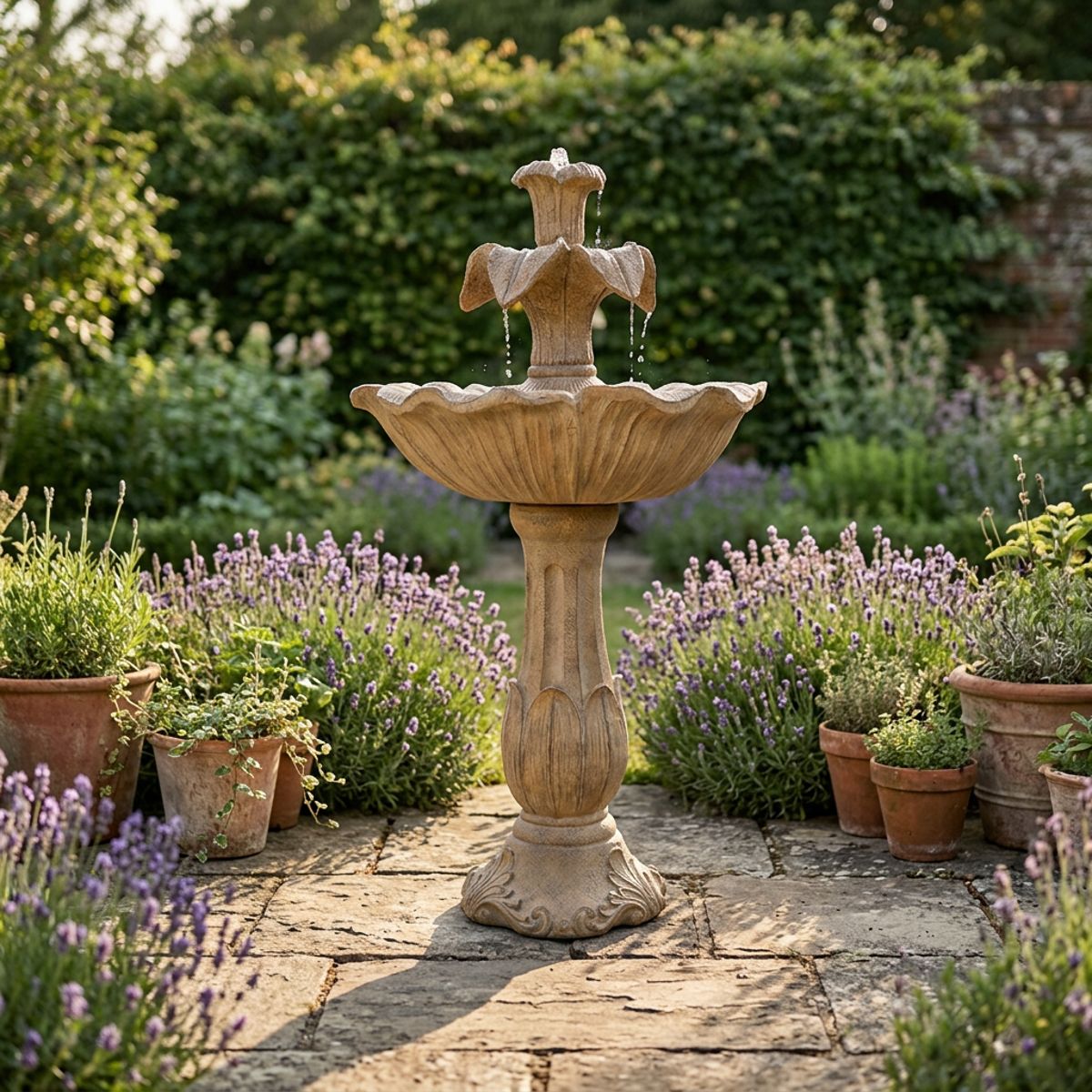
Shop the Floral Tiered Solar Water Feature →
Installer's Note
I've helped customers refresh their gardens every spring for over a decade now, and the single biggest transformation comes from moving existing ornaments to new positions. A stone bird bath that sat unnoticed against a back fence all winter looks completely different placed beside a spring border with tulips coming up around it. Before you spend a penny, walk your garden with fresh eyes and think about sight lines from your kitchen window and back door. That alone changes everything.
What are the best spring garden ideas for UK gardens?
The best spring garden ideas for UK gardens combine ornamental focal points with seasonal planting to create structure and colour from March onwards. According to the Royal Horticultural Society, spring is the most effective season for garden redesign because the soil is warming, rainfall is reliable and plants establish quickly.
Start with the bones of the garden: paths, borders and open spaces. Place a statement piece such as a stone statue or water feature where the eye naturally rests. In my experience, the end of a path or the centre of a lawn works best for drawing attention. Then build outward with smaller pieces, planters filled with primroses or muscari, and a bird bath tucked beside a hedge where birds feel safe.
Spring is also when solar-powered water features come into their own. Daylight hours are increasing and a solar pump runs from mid-morning through to early evening without any mains connection. The gentle sound of moving water turns even a small patio into a calming retreat. Browse our full collection of garden ornaments to see the full range available.
How do I plan a garden makeover on a budget?
A budget garden makeover starts at around £150 if you focus on repositioning existing pieces, cleaning stone ornaments and adding one or two new items. The biggest mistake I see is people buying too many small items that clutter rather than enhance. One well-chosen focal point beats ten scattered figurines every time.
Begin by cleaning what you already have. A stiff bristle brush and warm soapy water removes winter algae from most stone in under 20 minutes. For stubborn moss, the Wildlife Trusts recommend leaving some patches as they benefit insects, but clear the worst from flat surfaces so the piece looks intentional rather than abandoned.
Allocate your budget in thirds: one third on a single statement piece (a water feature or statue), one third on planting (seasonal bedding, bulbs, compost), and one third held in reserve for accessories and maintenance. This approach prevents impulse buying and ensures you have a coherent design. If your budget is around £250, a solar water feature priced between £179 and £329 makes an excellent centrepiece that runs for free.
Which garden ornaments look best in spring?
Classical statues, bird baths and decorative planters look best in spring because their neutral stone or metal tones contrast with fresh green foliage and bright bulbs. White and granite-finish pieces stand out particularly well against the vivid greens of new growth in April and May.
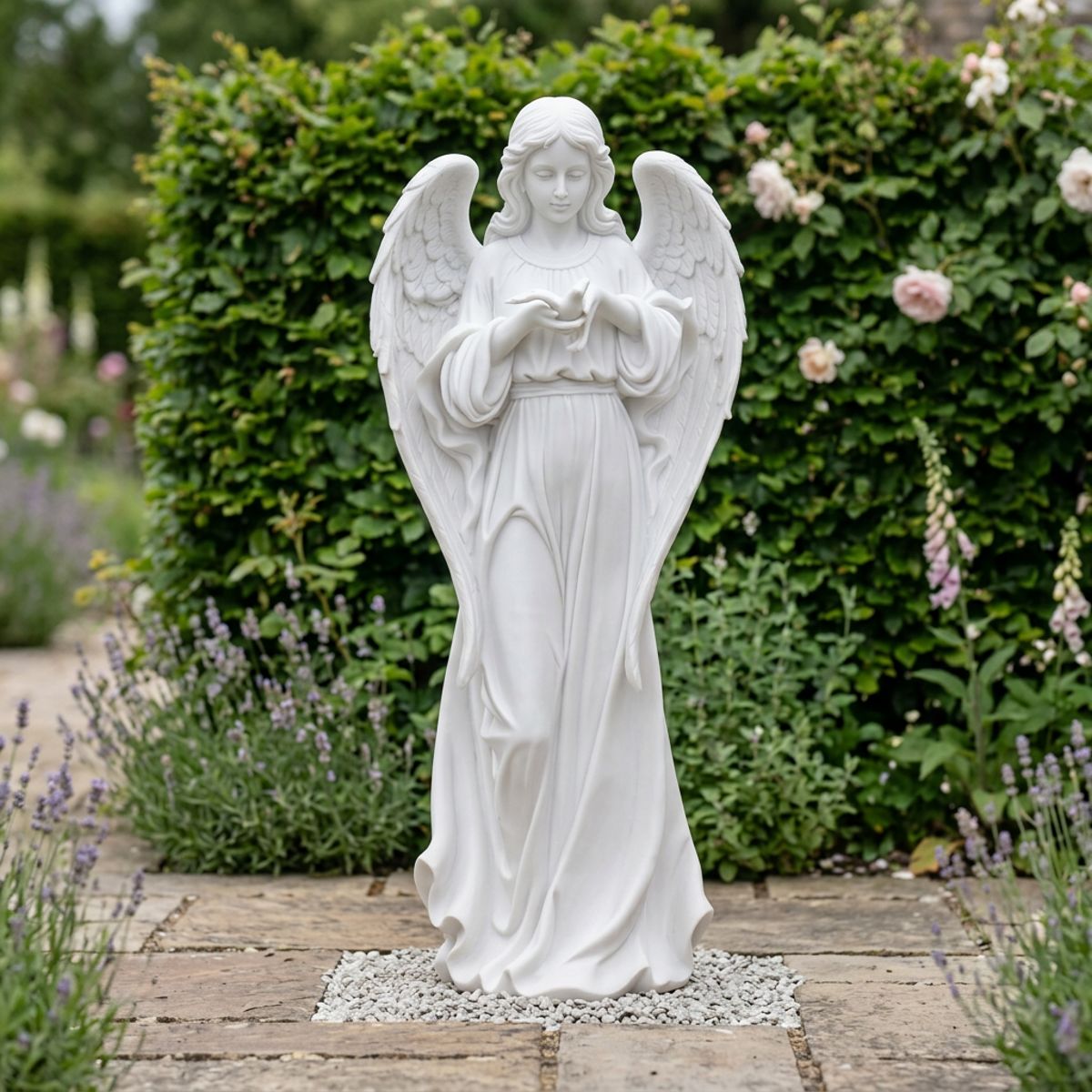
Shop the Angel of Peace Garden Statue →
I always recommend placing white statues where they catch morning or late afternoon light. A west-facing border is ideal because the low spring sun illuminates the piece with warm golden tones. The Angel of Peace at £215 is a favourite with customers who want elegance without an imposing scale. At 60cm tall, it fits neatly into a mixed border or beside a garden bench.
For a more natural look, stone bird baths and planters age beautifully and develop character over time. Customers who placed a properly maintained stone piece three or four years ago now have ornaments that look like they have been in the garden for decades. That weathered patina is something you simply cannot buy.
What are the best water features for a spring garden?
Solar water features are the best choice for spring gardens because they require no mains electricity and start running as soon as daylight strengthens in March. A self-contained solar feature plugs into nothing. You place it, fill the reservoir, and let the integrated panel do the rest. I have tested units that run continuously from 9am to 6pm in April sunshine.
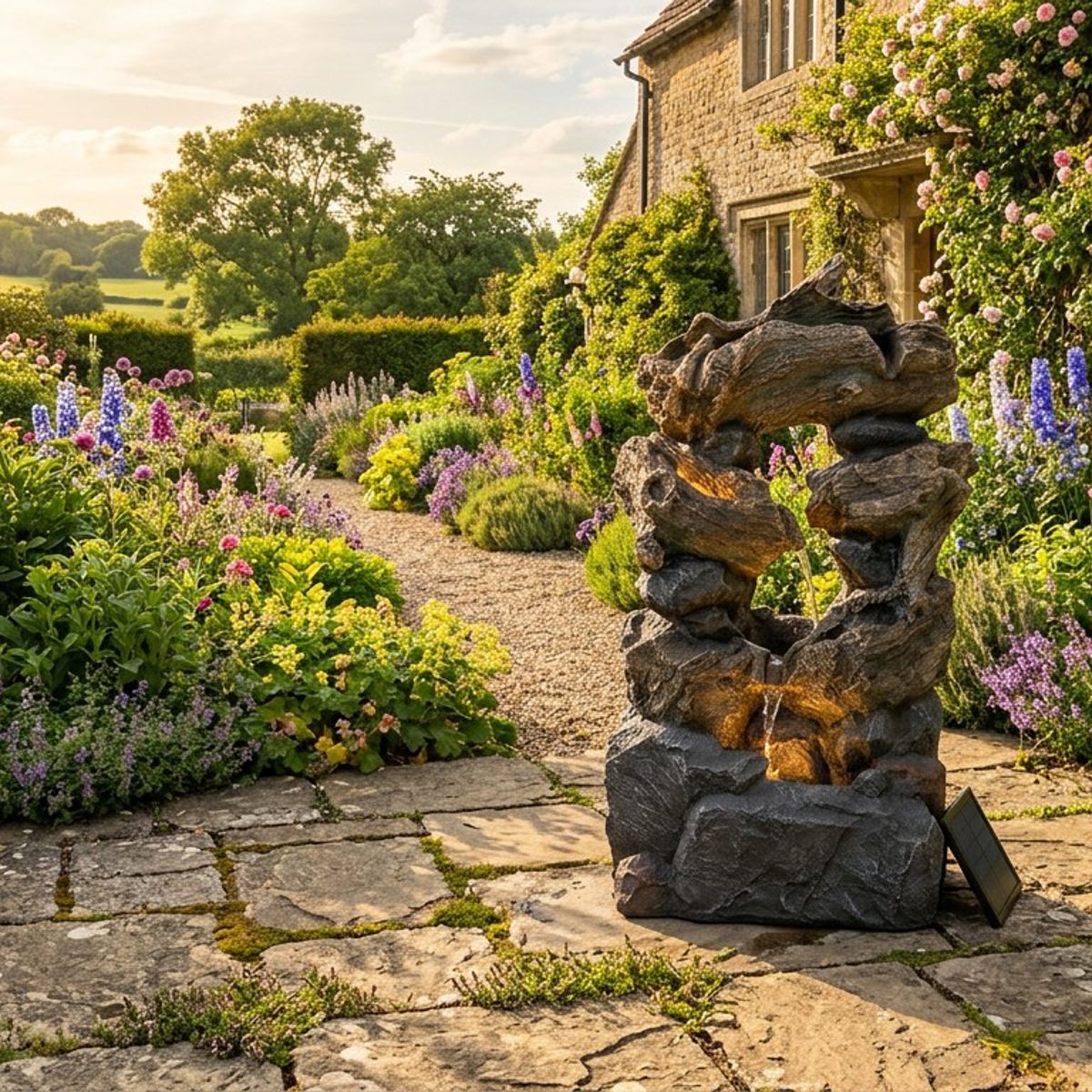
Shop the Forest Springs Solar Water Feature →
The Forest Springs Solar Water Feature at £329 is a multi-tiered design that creates a gentle cascade sound. It works brilliantly on a patio or decked area where you want background movement without the complexity of a pond. For something more traditional, the Celtic Stone Fountain at £489 uses mains power but delivers a substantial, permanent water display that becomes the garden's centrepiece year-round. Our solar water features guide covers setup and running costs in detail.
Position any water feature where it catches sunlight for at least 4-6 hours daily. Avoid placing it under trees where falling leaves will clog the pump. Spring is the perfect time to install because the pump beds in before peak summer use.
How do bird baths attract wildlife in spring?
Bird baths attract over 30 UK species in spring because natural water sources are often still depleted after winter. The RSPB reports that fresh water is one of the most effective ways to draw birds into a garden, more so than food alone during the breeding season when insects are abundant but clean drinking water is scarce.
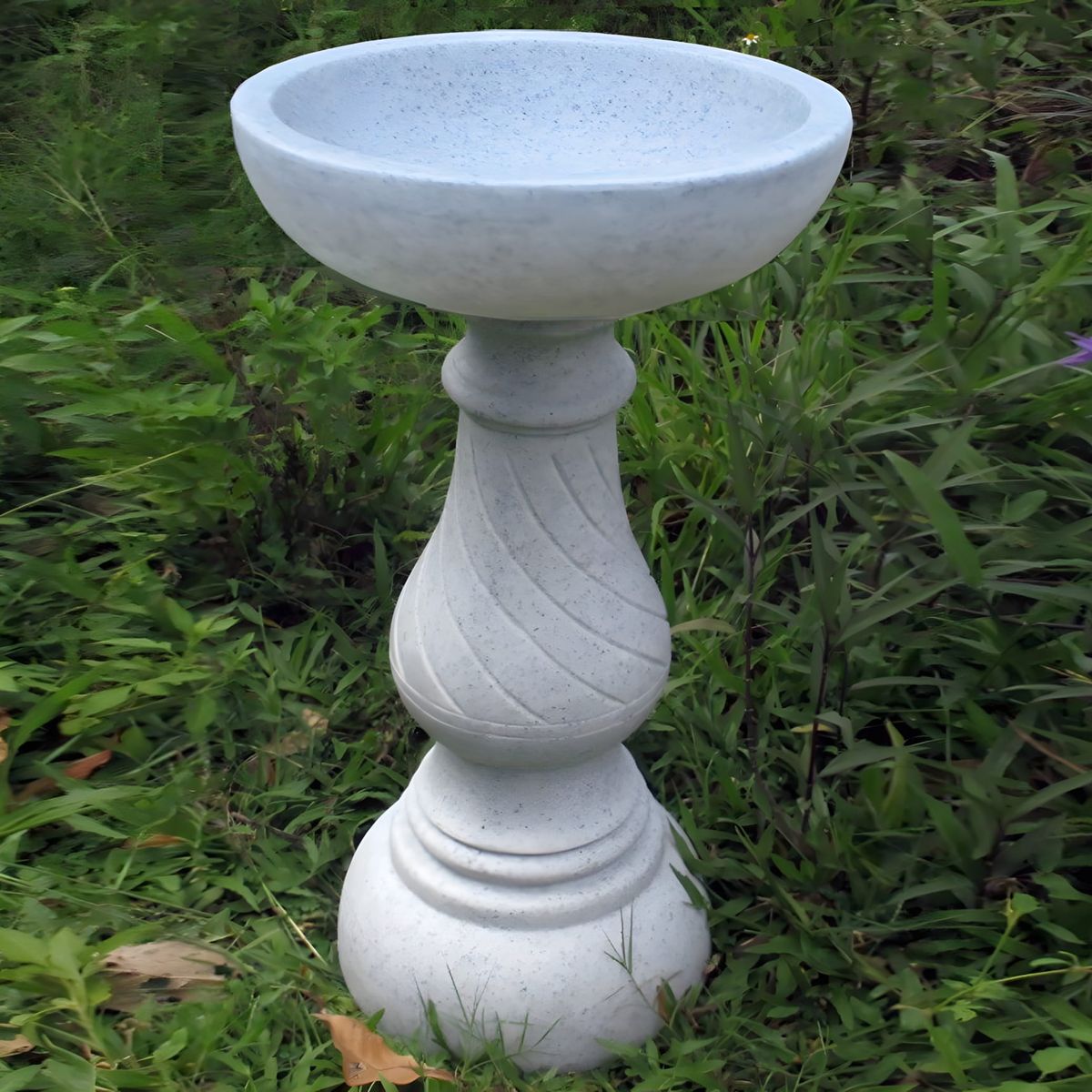
Shop the Georgian Bird Bath in Granite →
Place the bath 2-3 metres from dense shrubs so birds can spot predators but have quick escape cover. I recommend a pedestal design like the Georgian Bird Bath in Granite at £239 because it lifts the water away from cats. Change the water every 2-3 days in warm weather to prevent algae and mosquito larvae. A handful of pebbles in the basin gives smaller birds like wrens a safe perching spot. For more advice on choosing the right style, read our best bird baths UK guide.
What planters work best for spring colour?
Decorative stone and resin planters offer the most flexibility for spring colour because you can move them, change planting combinations and create instant displays without digging borders. A well-placed planter at a doorway or on a patio gives the impression of a well-designed garden even if the rest of the space is still waking up from winter.
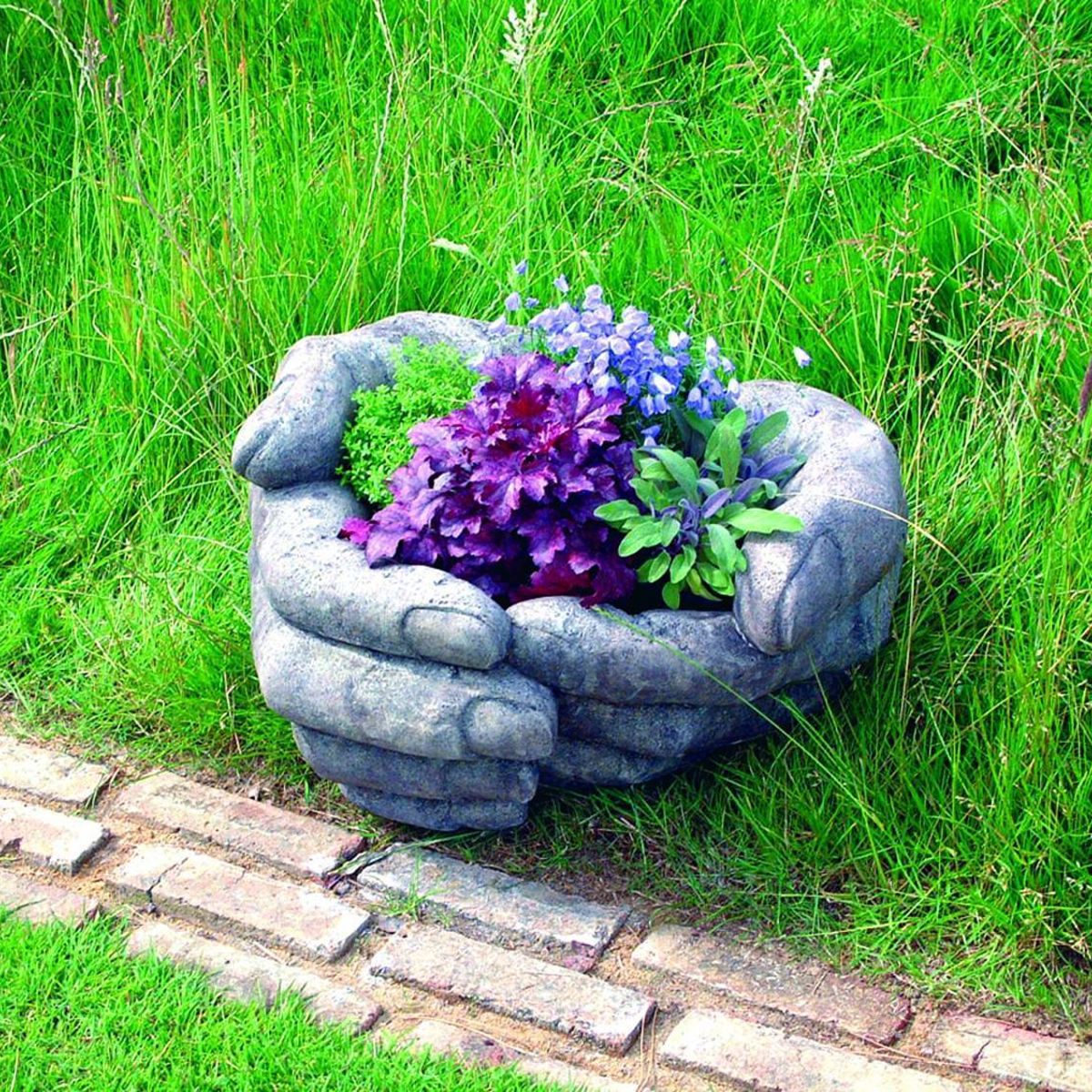
Shop the Cupped Hands Stone Garden Planter →
The Cupped Hands Planter at £315 is a statement piece I frequently recommend because it doubles as a sculpture and a planting vessel. Fill it with trailing violas, miniature daffodils or grape hyacinths for an immediate spring display. The stone finish weathers naturally, so it improves with each passing season rather than fading like plastic alternatives. For more on resin versus stone materials, our dedicated article breaks down durability and cost.
Group planters in odd numbers (three or five) at varying heights for the most natural look. Place the tallest at the back against a wall or fence, with smaller pots stepping forward. This layered arrangement is a classic garden design principle that works in spaces of any size.
Spring garden makeover comparison: ornaments by type
| Ornament Type | Best For | Price Range | Maintenance | Spring Impact |
|---|---|---|---|---|
| Solar Water Feature | Patios, decking, small gardens | £179 - £329 | Low (clean pump quarterly) | High (sound + movement) |
| Stone Fountain | Large gardens, permanent focal points | £350 - £600 | Medium (winterise pump) | Very high (year-round) |
| Bird Bath | Wildlife gardens, borders, lawns | £150 - £265 | Low (change water weekly) | High (attracts birds) |
| Stone Statue | Borders, path ends, entrances | £100 - £350 | Very low (annual clean) | Medium (structural interest) |
| Decorative Planter | Doorways, patios, steps | £100 - £315 | Low (seasonal replanting) | Very high (instant colour) |
| Lion Statues (Pair) | Entrances, driveways, gate posts | £200 - £400 | Very low (annual brush) | Medium (formal structure) |
|
|
Matt's Pick for Spring Garden CentrepieceBest For: Patios and small gardens needing a calming focal point Why I Recommend It: I've placed this feature in over a dozen customer gardens and the cascading water sound is genuinely relaxing. Zero wiring means you can reposition it as your garden evolves through the season. Price: £329 |
How do I create a spring focal point with statues?
Create a spring focal point by placing a single statement statue where sight lines converge, typically at the end of a path, the centre of a circular lawn or beside a garden gate. The key rule is one focal point per viewing angle. Two competing pieces cancel each other out and the eye has nowhere to rest.
For formal entrances, paired statues like the Chatsworth Lion Statues at £260 frame a doorway or gate with symmetrical impact. These reconstituted stone pieces weigh enough to stay put in wind and develop a handsome patina within their first year outdoors. Position them on low plinths or directly on gravel for a grounded, permanent look.
In cottage-style gardens, a single figurative statue tucked among emerging spring growth creates a sense of discovery. Place it slightly off-centre in a border so it appears to have been there for years. Underplant with forget-me-nots or bluebells so the emerging spring flowers frame the base naturally. For more on sculpture placement techniques, our positioning guide covers lighting, sight lines and seasonal adjustments.
Matt's Tip: The Kitchen Window Test
Before you fix any ornament in place, stand at your kitchen window and check you can see it. Most people spend more time looking at their garden through the kitchen window than sitting in it, especially in early spring when it is still chilly. If your focal point is visible from where you wash up, you will enjoy it ten times more. I moved a customer's stone fountain 3 metres to the left last April and she said it felt like a completely different garden.
What spring planting works around garden ornaments?
Low-growing spring bulbs and perennials work best around garden ornaments because they add colour at base level without obscuring the piece itself. Muscari (grape hyacinth), crocus, primrose and low tulip varieties are ideal companions that flower from February through to May depending on variety.
Plant bulbs in autumn for the following spring, but if you are doing a makeover now, buy pot-grown bulbs from garden centres and plant them directly around your ornaments for instant effect. Space them 10-15cm apart in groups of 5-7 for natural-looking drifts. I always plant in odd-numbered groups because even numbers look regimented.
Trailing plants like aubrieta and creeping thyme soften the base of stone statues and planters beautifully. They spread to fill gaps within one season and flower prolifically in purple, pink and white through April and May. For bird baths specifically, avoid planting anything tall enough to provide cover for cats within 2 metres. Our cottage garden ornaments guide has more planting combination ideas.
Frequently asked questions
When is the best time to start a spring garden makeover in the UK?
Mid-March to early April is the ideal time for a spring garden makeover. The soil has warmed enough for planting, frost risk is decreasing and daylight hours are long enough for solar features to run effectively. Avoid moving heavy stone ornaments when the ground is waterlogged from late winter rain as you risk sinking them into soft soil.
How much does a spring garden makeover cost?
A spring garden makeover costs between £150 and £600 depending on scope. Cleaning and repositioning existing ornaments is free. Adding a single focal point like a solar water feature runs £179 to £329. A full refresh with a water feature, bird bath, planters and seasonal planting sits in the £400 to £600 range including compost and bedding plants.
Do solar water features work in UK spring weather?
Solar water features work well in UK spring from March onwards. Modern solar panels are efficient enough to run pumps in partial cloud. Direct sunlight gives the strongest flow, but even overcast April days produce enough power for a gentle trickle. Battery-backup models store charge for cloudy spells, giving 2-4 hours of evening running time.
How do I stop garden ornaments going green over winter?
Algae and moss growth is natural and largely unavoidable on stone. A spring clean with a stiff bristle brush and warm water removes surface growth in minutes. Avoid pressure washers on reconstituted stone as they can erode detail. For persistent green stains, a solution of one part white vinegar to four parts water applied with a soft brush works without chemicals that harm surrounding plants.
What garden ornaments attract the most wildlife?
Bird baths and shallow water features attract the widest range of wildlife. Fresh water draws birds, hedgehogs, frogs and pollinating insects. A pedestal bird bath with a textured basin gives birds grip while bathing. Adding a few flat stones around the base creates basking spots for butterflies in spring sunshine.
Can I leave stone garden ornaments outside all year?
Most stone and reconstituted stone ornaments are frost-resistant and safe to leave outside year-round. Natural stone and high-quality reconstituted stone withstand UK winters without damage. Resin pieces may need covering in severe frost. Raise stone ornaments onto feet or a plinth to prevent waterlogging at the base, which is the main cause of frost damage through freeze-thaw cycles.
Related articles
- Garden Water Feature Ideas: Types, Placement & Maintenance
- How to Weatherproof Garden Statues and Ornaments: UK Frost Protection Guide
- Small Garden Ornaments: Space-Saving Ideas That Make a Big Impact
- Animal Garden Ornaments: 15 Ideas for Wildlife Sculptures in UK Gardens
- How to Choose a Garden Water Feature: Types, Costs and Running Expenses
Matt W
Garden & Outdoor Specialist
Matt has spent over 16 years working hands-on with garden products across the UK. He tests materials in Staffordshire clay soil and hard water conditions, and writes from direct experience fitting, maintaining, and repairing everything from stone statues to cast iron furniture. His advice is based on what actually survives a British winter, not what looks good in a catalogue.