
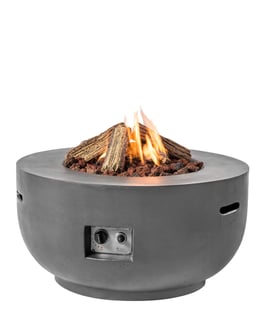
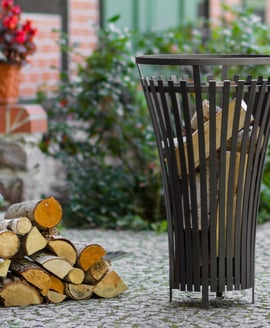
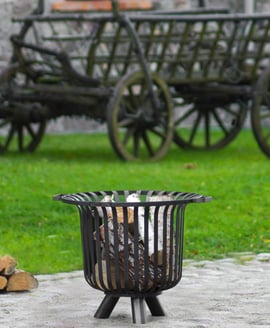
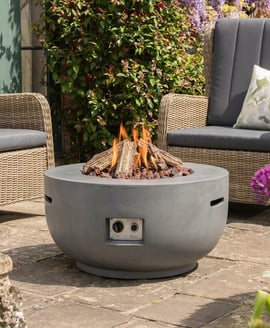
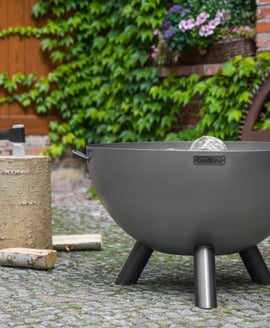
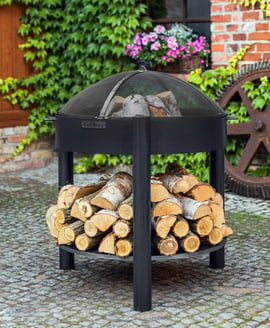
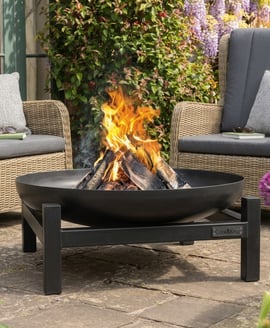
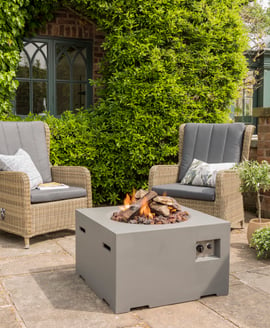
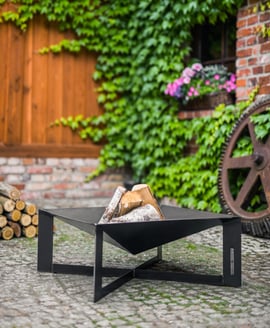
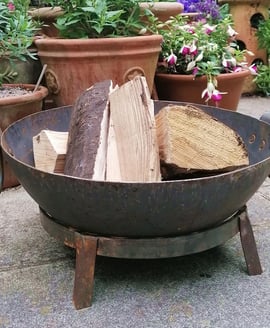
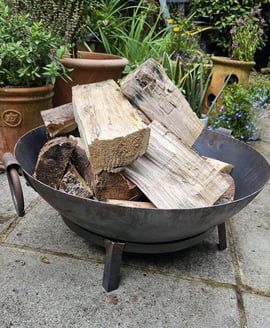
About our garden fire pits
We carry fire pits in three main materials: mild steel for affordability, cast iron for heat retention, and corten steel for a weathered rust finish that protects the metal beneath. Our steel fire bowls range from compact 50cm patio models to 80cm designs that seat six people comfortably around the flames. Every fire pit in our range burns standard kiln-dried logs or charcoal briquettes.
Fire pits pair well with other garden features. Position a steel fire bowl beside a stone garden bench for a permanent seating area, or use a portable bowl alongside your metal garden furniture on the patio. For a full outdoor room effect, combine a fire pit with metal garden ornaments and decorative lighting.
Why We Chose This Range
"I wanted fire pits that last more than one season. Most budget fire pits are thin pressed steel that warps after a few burns, and the paint flakes off within weeks. Every fire pit we stock has a minimum 2mm wall thickness, and we have rejected three suppliers whose samples failed our heat-cycle test. I would rather carry a smaller range of fire pits that survive five British winters than fill the page with disposable ones."
, Matt, Lead BuyerTypes of garden fire pits we offer
Steel fire bowls
Open bowl designs in mild steel or corten steel, available from 50cm to 80cm diameter. Steel bowls give 360-degree heat and are ideal for cooking with a grill grate. Mild steel develops a natural patina over time. Corten steel forms a protective rust layer that prevents further corrosion. Both types handle kiln-dried logs and charcoal.
Cast iron fire pits
Heavy-duty cast iron retains heat longer than steel, radiating warmth even after the flames die down. Cast iron fire pits weigh 15-30kg, making them stable in wind. They require occasional oiling to prevent surface rust but will last decades with basic care. Best for permanent garden positions where you want maximum heat output.
Chimeneas
Enclosed fire pits with a chimney that directs smoke upward and away from seating areas. Available in clay, cast iron and steel. Chimeneas burn less fuel than open fire bowls and are safer around children because the fire is contained. They focus heat in one direction, making them ideal for smaller patios and sheltered corners.
Contemporary Designs
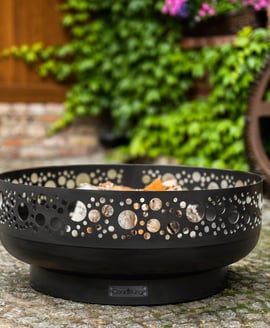
Geometric and sculptural fire pits in laser-cut steel, suspended bowls and raised plinth designs. These double as garden art when not lit. Contemporary fire pits suit modern landscaping, gravel gardens and minimalist outdoor spaces. Many feature integrated log storage beneath the bowl.
Matt's Fire Pit Tip
Always use kiln-dried or "Ready to Burn" certified logs with a moisture content below 20%. Wet wood produces far more smoke and creosote, which stains surrounding paving and annoys neighbours. In smoke control areas, this is also a legal requirement under UK clean air regulations. A bag of kiln-dried hardwood logs gives you 2-3 hours of clean, hot burning. Browse our full collection of garden ornaments to find the right piece for your garden.
Garden fire pit types compared
| Type | Material | Heat Pattern | Best For | Maintenance |
|---|---|---|---|---|
| Steel Fire Bowl | Mild steel / corten | 360° open heat | Large groups, cooking | Low, develops natural patina |
| Cast Iron Fire Pit | Cast iron | 360° radiant heat | Permanent positions, max warmth | Occasional oiling |
| Clay Chimenea | Terracotta clay | Directional (front) | Small patios, sheltered spots | Cover in winter, handle carefully |
| Steel Chimenea | Steel / cast iron | Directional (front) | Year-round use, less smoke | Low, built for outdoor exposure |
| Contemporary | Laser-cut steel | 360° open heat | Modern gardens, visual impact | Low, designed to weather |
| ⭐ Matt's Pick | 60cm Kadai BBQ Fire Pit Bowl Set | 360° open heat | Fire plus cooking in one bowl, £105 | Thick steel, empty ash when wet |
Matt's note, June 2026
One firepit reached our recorded sellers in the year to June 2026, the Happy Cocoon 91cm bowl, and the range is still young here. Twenty-one pits are in stock, £75 to £879, most interest near £285. Steel thickness is the spec that matters. Under 2mm warps after a dozen hot burns; the Kadai and Cook King bowls we stock run thicker and flatten out that risk. Empty ash after every second burn and the base lasts years longer. Wet ash is what eats a fire bowl, not the fire.
Frequently asked questions
Yes, but you must burn approved fuel with under 20% moisture content. UK clean air regulations require "Ready to Burn" certified logs in smoke control areas. Open fire pits are not classified as fixed appliances, so they do not need DEFRA exemption. Use kiln-dried hardwood and avoid burning treated timber, painted wood or household waste.
Steel is the most popular choice for UK gardens due to cost and durability. Mild steel fire bowls are lightweight and affordable, developing a natural rust patina over time. Cast iron retains heat longer and radiates warmth after the fire dies down, but weighs significantly more. Corten steel offers the best of both: a self-protecting rust finish that prevents further corrosion without any treatment.
Position your fire pit at least 3 metres from any building, fence or combustible surface. This is the minimum safe distance recommended by UK fire services. Keep the fire pit on a non-combustible surface such as paving slabs, gravel or bare earth. Never place a fire pit directly on decking, artificial grass or dry lawn during summer months.
Yes, most open fire bowls accept a grill grate or cooking tripod. Steel fire bowls are the best type for cooking because their wide opening gives easy access to the grill. Use lumpwood charcoal for consistent cooking heat, or hardwood logs for flame-grilled flavour. Many of our fire pits include a removable grill grate as standard.
Fire pits suit larger gardens and groups; chimeneas work better in small or sheltered spaces. A fire pit gives 360-degree heat so everyone around it stays warm. A chimenea directs heat forward and channels smoke upward through its chimney, producing less smoke at ground level. Chimeneas also burn less fuel per session. Choose based on your garden size and how many people will gather around it.
Direct heat can scorch grass and crack some types of paving. Always use a fire pit on a heat-resistant surface. A simple 60cm x 60cm paving slab underneath is enough to protect lawn or decking. For patio use, check that your slabs are natural stone or concrete, which handle heat well. Avoid placing fire pits on resin-bonded gravel or composite decking without a heat shield.
Empty ash after each use and store under a cover or in a shed during wet spells. Steel fire pits develop a natural rust patina that does not affect performance. If you prefer a cleaner look, brush the bowl with a wire brush and apply heat-resistant paint annually. Cast iron fire pits benefit from a light coat of cooking oil after each burn to prevent surface rust.